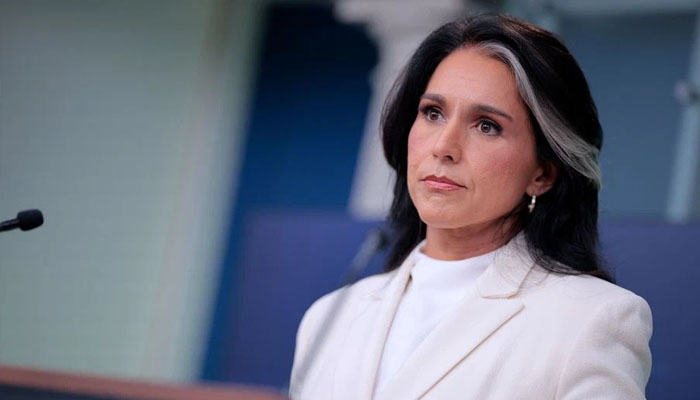
Tulsi Gabbard has resigned from her position as the United States Director of National Intelligence, marking a significant change in the country’s intelligence leadership. According to U.S. media reports, her departure comes amid personal family circumstances that influenced her decision to step down from office.
Reports indicate that Gabbard resigned after her husband was diagnosed with bone cancer. She reportedly informed President Donald Trump of her decision during a meeting in the Oval Office on Friday. The development has drawn attention in Washington due to the importance of her role within the U.S. intelligence community.
Meanwhile, a British news agency, citing a person familiar with the matter, claimed that the White House pressured Gabbard to resign. However, no official confirmation has been provided regarding those allegations. As a result, speculation continues over the circumstances surrounding her departure.
Also Read: UAE exit from OPEC reshapes energy outlook
Tulsi Gabbard had assumed the office of Director of National Intelligence in February of last year. During her tenure, she oversaw key intelligence operations and coordinated activities among various U.S. intelligence agencies. Her resignation brings an early end to her time in the position.
President Donald Trump stated that Gabbard will officially leave office on June 30. He also announced that Deputy Director of National Intelligence Aaron Lucas will serve as the acting director until a permanent replacement is appointed. The transition is expected to ensure continuity within the intelligence community.
In conclusion, Tulsi Gabbard’s resignation as U.S. intelligence chief has sparked both political and public interest. While reports point to personal reasons behind her decision, claims of pressure from the White House have added another dimension to the story, making the leadership change a closely watched development in Washington.