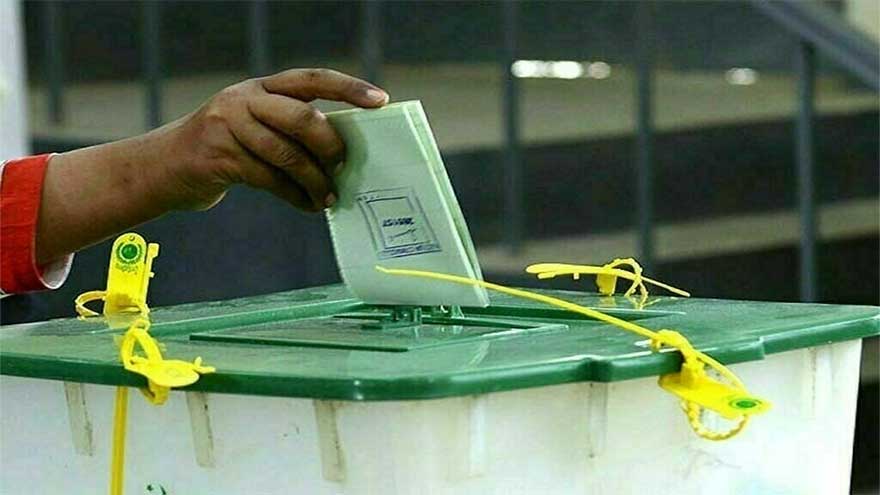
Polling gathered pace across Gilgit-Baltistan on Sunday as voters turned out in large numbers to elect representatives for the regional assembly. Long queues appeared outside polling stations before voting officially began at 8am, reflecting strong public interest in the first election held in six years. Voting continued uninterrupted until 5pm under extensive administrative and security arrangements.
The election has emerged as a closely watched contest between the Pakistan Peoples Party and Pakistan Muslim League-Nawaz, with both parties investing heavily in their campaigns. PPP Chairman Bilawal Bhutto Zardari and PML-N leader Nawaz Sharif addressed major public gatherings during the campaign, while political observers predicted a tight race across several key constituencies.
Read more : All set for Gilgit-Baltistan Elections today
A total of 396 candidates are competing for assembly seats, including 266 independents and seven women candidates. The PPP fielded 23 candidates, while the PML-N entered 22 contenders. Other parties, including Jamiat Ulema-e-Islam, Islami Tehreek Pakistan, Majlis Wahdat-e-Muslimeen, Istehkam-e-Pakistan Party and Pakistan Nazriyati Party, also joined the electoral contest with sizeable representation.
Election authorities reported that 958,780 registered voters were eligible to cast ballots, including 503,772 men and more than 455,000 women. To facilitate the process, officials established 2,447 polling booths across the region. Election officials also highlighted growing participation by women voters, describing it as a positive sign for democratic engagement and public awareness.
Read more : Bilawal promises GB voters with land and job rights
Meanwhile, authorities implemented strict security measures to ensure peaceful voting throughout Gilgit-Baltistan. Around 17,500 police personnel were deployed, while the Pakistan Army and other law enforcement agencies remained on standby. Out of numerous polling stations, 154 were classified as highly sensitive and 48 as sensitive, requiring enhanced security monitoring.
Election officials expressed satisfaction with the overall polling environment, noting strong voter enthusiasm and orderly arrangements at polling stations. They assured political parties and voters that all necessary administrative and logistical measures remained in place to guarantee a transparent, peaceful and credible electoral process across the region.