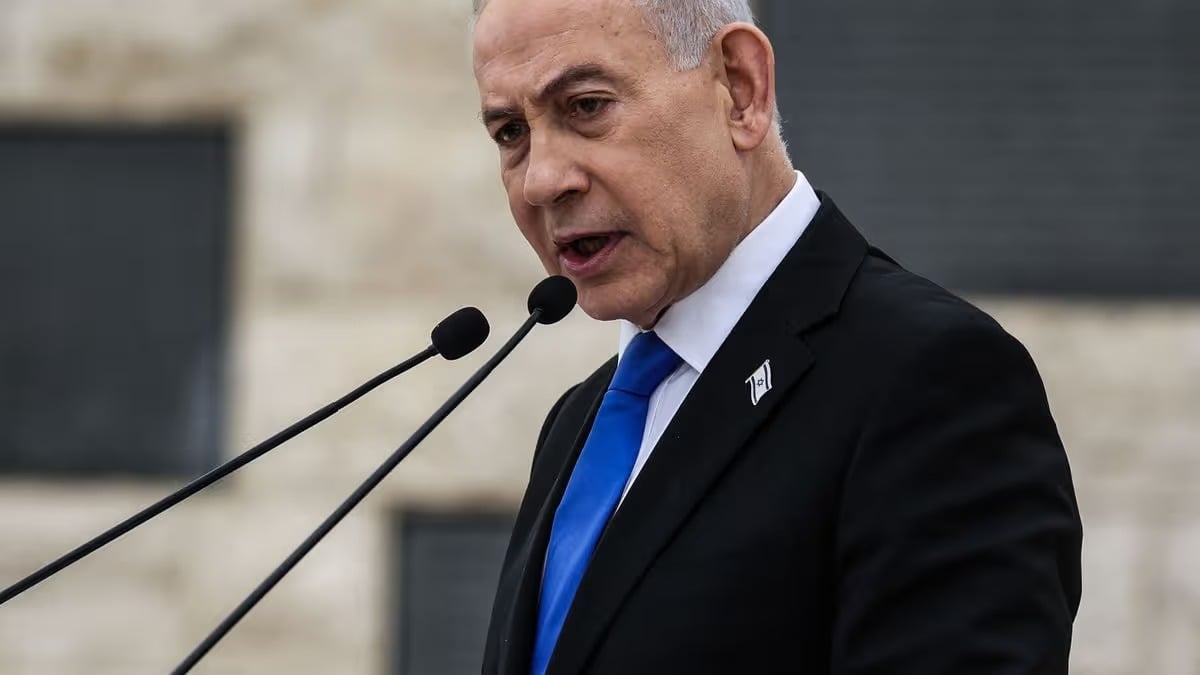
Israeli Prime Minister Benjamin Netanyahu has reiterated that Iran will never be allowed to obtain nuclear weapons, regardless of whether a new agreement between Tehran and Washington moves forward.
Speaking in response to the recently announced US-Iran understanding aimed at extending a ceasefire and opening the door to broader negotiations, Netanyahu said Israel remains committed to preventing Iran from developing nuclear weapons under any circumstances.
The Israeli premier emphasized that while he and US President Donald Trump maintain a close partnership, they do not always share the same views on every issue. “Sometimes we agree and sometimes we disagree,” Netanyahu said, while stressing that Israel’s position on Iran’s nuclear programme remains unchanged.
According to Netanyahu, Israel will take all necessary measures to ensure that Iran does not acquire nuclear weapons. His remarks come as the United States and Iran prepare for further negotiations on key issues, including Tehran’s nuclear activities, sanctions relief and regional security arrangements.
The Israeli leader also addressed the situation in Lebanon, where tensions have remained high despite diplomatic efforts to reduce hostilities in the region. Netanyahu stated that Israeli forces would continue to maintain their presence in a security zone established in southern Lebanon, arguing that it remains essential for Israel’s national security.
He claimed that Israel had successfully protected itself from major threats during the recent regional conflict but added that the country’s mission was not yet complete. His comments highlighted ongoing concerns over security challenges on Israel’s northern border and the role of Iran-backed groups in the region.
In addition to discussing regional issues, Netanyahu confirmed that he intends to contest Israel’s upcoming elections later this year. Expressing confidence in his political future, he predicted victory at the polls and said he would continue leading efforts to safeguard Israel’s security interests.
His latest statements underscore the continuing divisions over Iran’s nuclear programme and signal that the issue is likely to remain a central focus of regional diplomacy in the months ahead.