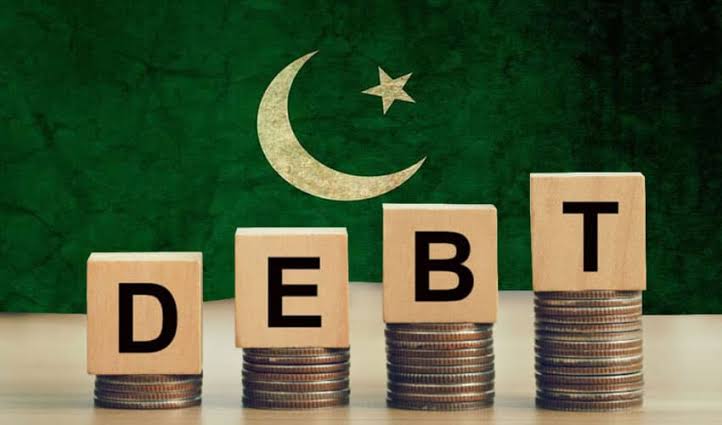
Pakistan’s external debt increased by $5.21 billion during the current fiscal year compared to the same period last year, reflecting the country’s continued dependence on foreign financing. The latest official figures highlight growing borrowing requirements as authorities work to manage fiscal pressures, support foreign exchange reserves and meet external payment obligations.
During the first eleven months of fiscal year 2025-26, spanning July to May, Pakistan secured $12.10 billion in foreign financial assistance. In local currency terms, this amount equals approximately Rs3,364 billion. By comparison, the country received $6.89 billion in external loans and grants during the corresponding period of the previous fiscal year, showing a substantial year-on-year increase.
The data reveals that Pakistan received more than $1 billion in foreign loans during May alone, indicating stronger inflows toward the end of the reporting period. Financial records show that $3.10 billion came from international financial institutions, while bilateral partners provided $1.31 billion in assistance. Additionally, the Naya Pakistan Certificate programme contributed $2.66 billion to overall external inflows.
Alongside loans and financing arrangements, Pakistan also received a grant worth Rs38 billion. This amount was recorded separately from the $12.10 billion received through loans and other financial assistance. Grants provide direct fiscal support without repayment obligations, offering some relief amid rising debt-related commitments and economic challenges.
Furthermore, key international partners continued to support Pakistan’s financial stability during the fiscal year. Saudi Arabia deposited $3 billion into the country’s reserves, strengthening external buffers, while the International Monetary Fund provided $420 million. These inflows helped support foreign exchange reserves and improve confidence in the country’s ability to meet external obligations.
While increased financial assistance has eased short-term economic pressures, rising external debt remains a significant concern for policymakers. Economists stress that sustainable growth, stronger exports and higher domestic revenue collection will be essential to reduce reliance on foreign borrowing and improve long-term fiscal stability in the years ahead.