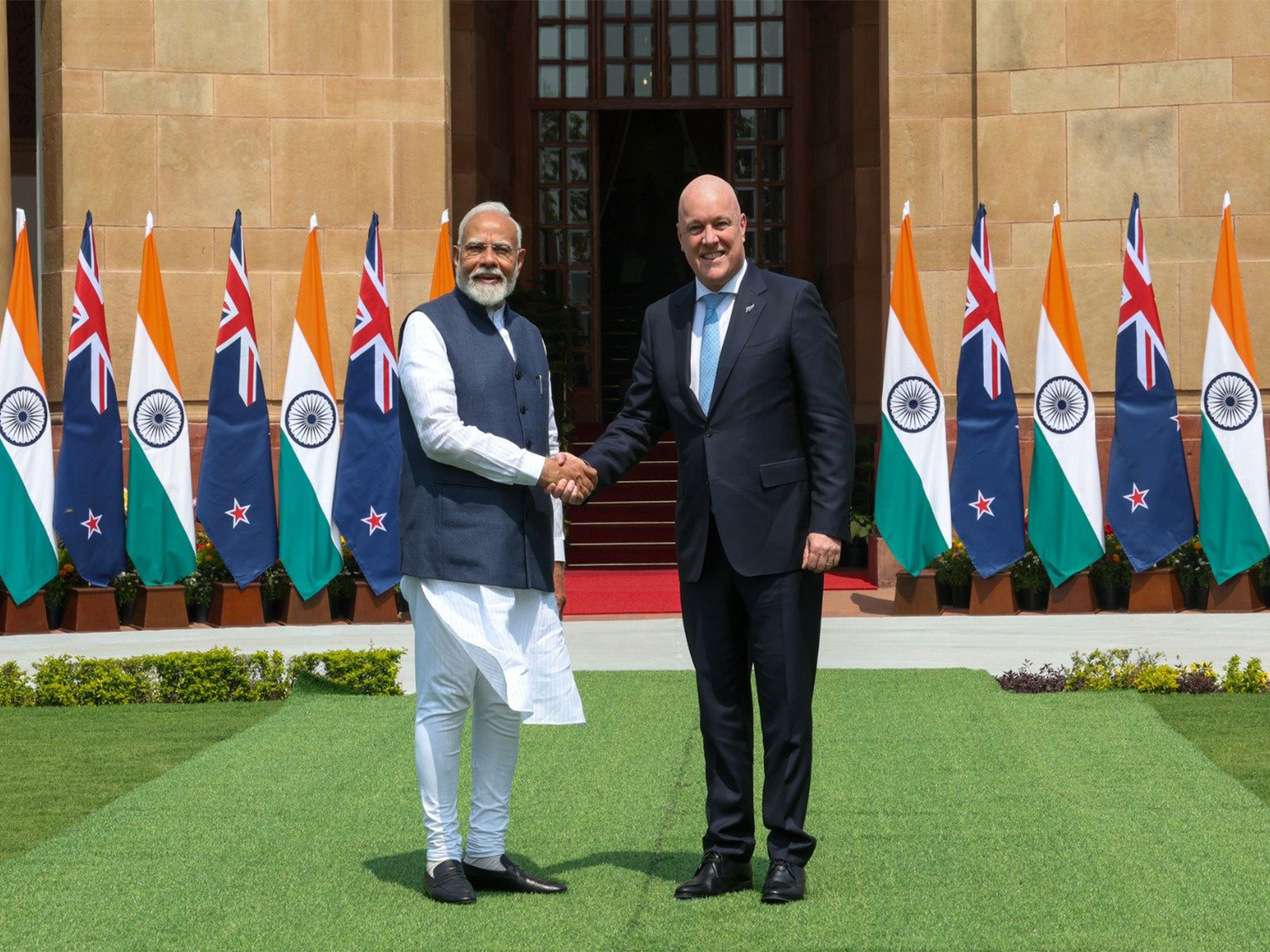
Indian Prime Minister Narendra Modi arrived in New Zealand on Friday for a high-profile visit focused on strengthening bilateral ties, even as a recently signed free trade agreement continues to spark political debate and public discussion within the country.
Read More: Modi begins three-nation Asia-Pacific tour
The visit marks the first by an Indian prime minister to New Zealand in four decades. Trade, investment, tourism and sports cooperation are expected to dominate talks between Modi and New Zealand Prime Minister Christopher Luxon.
The two countries signed a free trade agreement in April, with the New Zealand government describing it as a landmark deal that could boost exports, attract investment and create new employment opportunities. The agreement is widely expected to receive parliamentary approval.
However, parts of the agreement related to migration and visa arrangements have drawn criticism from some political figures. Members of the coalition partner New Zealand First have voiced concerns over immigration provisions, triggering a broader debate about migration policy.
The discussions have also been accompanied by criticism from community leaders over remarks made by some public figures. New Zealand’s Race Relations Commissioner condemned inflammatory comments directed at religious and ethnic communities, while representatives of the Indian community called for respectful public discourse.
Academics and community advocates have also highlighted concerns about discrimination faced by some South Asian communities, urging greater efforts to promote inclusion and social harmony.
During his visit, Modi is scheduled to attend an official ceremony at Government House and participate in a business and sports event in Auckland. He will also address thousands of members of the Indian diaspora at a community gathering at Spark Arena.
Read More: India, Australia sign uranium supply agreement
Prime Minister Luxon has described the visit as an opportunity to celebrate the growing partnership between New Zealand and India, emphasizing cooperation in trade, economic development and regional security.
Despite political disagreements surrounding aspects of the trade agreement, both governments have reaffirmed their commitment to expanding bilateral relations and deepening cooperation across multiple sectors.