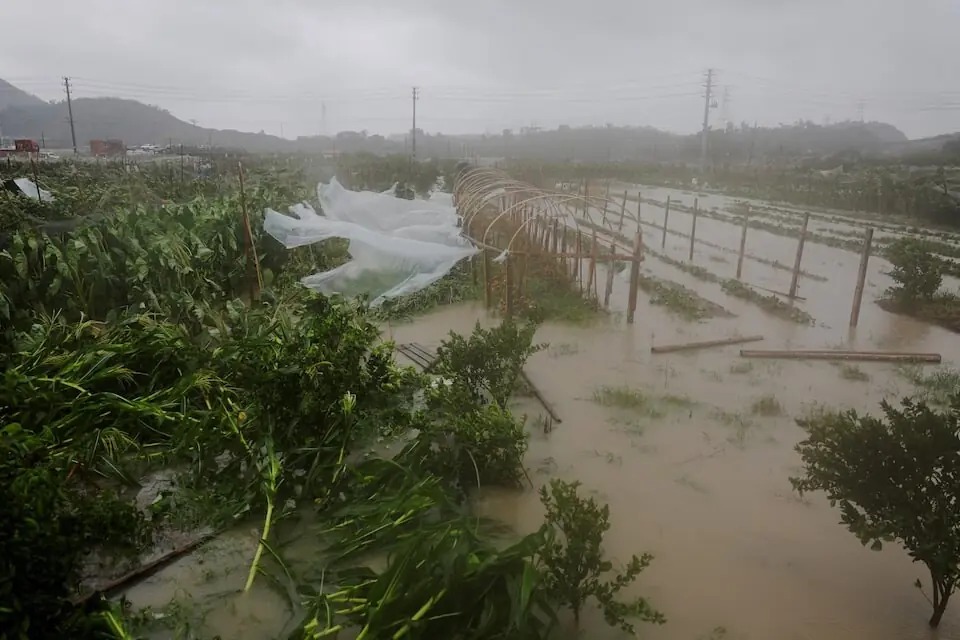
Severe flooding triggered by Typhoon Bavi submerged roads, swept away vehicles and disrupted daily life across China’s Hebei and Liaoning provinces as authorities intensified emergency response efforts. Rising floodwaters stranded nearly 1,800 residents in Kuancheng, while officials focused on evacuating vulnerable communities and reducing the growing risks caused by the powerful storm.
Read more : Typhoon Bavi unleashes floods and widespread disruption across …
Water levels climbed above two metres in parts of Kuancheng, where fast-moving floodwaters carried away several vehicles after they collided on submerged roads. The county, home to around 240,000 people, experienced widespread flooding as continuous heavy rainfall overwhelmed streets and infrastructure. Authorities warned that more rain could further worsen conditions across already waterlogged areas.
Meanwhile, Typhoon Bavi, the strongest storm to strike mainland China this year, continued moving north after making landfall on the eastern coast. Weather officials warned of torrential rainfall across Hebei, Liaoning, Jilin, Shandong, Jiangsu and Anhui, increasing the danger of flash floods, landslides and severe weather. Liaoning issued its highest flood alert as authorities urged residents to remain indoors and follow emergency instructions.
Read more : Typhoon Bavi Expected to Make Landfall on China’s Eastern Coast
The extreme weather also disrupted transportation and education across affected regions, with more than 30 railway sections suspended in Shenyang and schools closed in several provinces. Meteorologists warned that some areas could experience thunderstorms, hailstorms, powerful winds exceeding 117 kilometres per hour and isolated tornadoes, adding to the challenges facing emergency response teams.
Officials said Typhoon Bavi has maintained unusual strength because of its well-preserved warm core, allowing it to carry large amounts of moisture as it moves toward the Korean Peninsula. At the same time, China’s Ministry of Water Resources reported that 46 rivers had risen above warning levels, highlighting the continuing flood threat as rescue operations and evacuations remain underway.