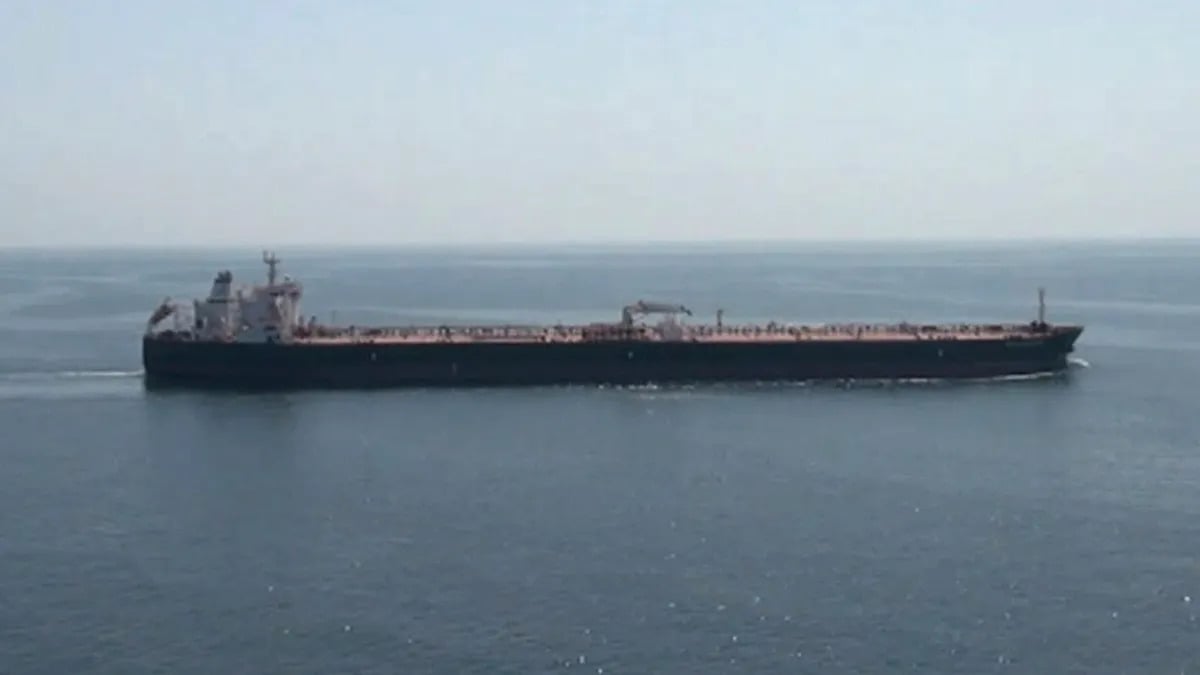
Two Iranian oil tankers carrying nearly one million barrels of crude oil have changed course toward Karachi after a reported US naval blockade. The move highlights growing disruption to regional shipping and escalating tensions around the Strait of Hormuz. Pakistan, global energy markets, and maritime trade are closely watching the unusual tanker movements.
According to a Bloomberg report, the tankers Rani and Amil updated Karachi as their next destination shortly after departing the Gulf on Tuesday. The route change came just before the United States introduced new maritime restrictions targeting Iranian shipping. Shipping analysts described the development as highly unusual and linked it to the deteriorating security situation in the region.
Read more: US sanctions leave millions of Iranian oil barrels stranded at sea
Experts believe the vessels are unlikely to unload their cargo in Pakistan because doing so could expose Islamabad to US sanctions. Instead, the tankers are expected to remain near Pakistan’s territorial waters or transfer their crude oil to other vessels. Such ship-to-ship transfers are commonly used to manage cargo movements during periods of heightened sanctions and maritime restrictions.
The report noted that Iranian-linked tankers have previously anchored near Karachi during earlier periods of US sanctions on Tehran. Analysts said those vessels remained close to the Gulf while waiting for suitable conditions to resume commercial operations. They added that designating Karachi as a destination may also help vessels avoid closer contact with US naval patrols in the region.
Read more: Iranian oil exports resume after deal
The latest diversion underscores the growing impact of geopolitical tensions on international shipping through the Strait of Hormuz. The strategic waterway remains one of the world’s busiest oil transit routes and is critical to global energy supplies. Any prolonged disruption could increase shipping costs, affect oil markets, and add pressure to regional economies.