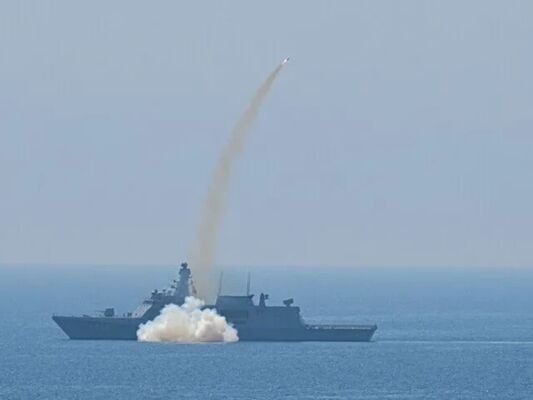
Iran’s Islamic Revolutionary Guard Corps (IRGC) claimed it launched drone and missile strikes on US military facilities in Kuwait, Bahrain, and Jordan. The claims came after another night of US attacks on Iranian targets. The latest escalation has heightened regional security concerns and increased risks to global energy supplies.
According to the IRGC, the attacks targeted a US fleet fuel support pier at Al Ahmadi Port in Kuwait, Sheikh Isa Air Base in Bahrain, and the Al Azraq Air Base in Jordan. Iranian media also claimed a US intelligence data centre in Bahrain and a communications facility in Kuwait were struck. The claims have not been independently verified.
Read more: Bahrain intercepts Iranian attacks, Kuwait hit
Iranian officials also reported civilian casualties from recent US strikes in Hormozgan province. According to local authorities, seven to eight civilians were killed over the past two nights. Officials said the attacks damaged bridges, residential areas, and critical infrastructure, including a water desalination plant that disrupted drinking water supplies to around 10,000 people.
Meanwhile, Kuwait confirmed that one of its oil sector facilities was hit during the Iranian attacks. Kuwait Petroleum Corporation said the incident caused injuries and significant material damage. The country’s Fire Force also reported that several firefighters and a worker were injured while responding to fires at affected sites.
Read more: Kuwait, Bahrain intercept fresh Iran attacks
The United States said its latest operations targeted Iranian military logistics, surveillance systems, underground weapons storage, and maritime capabilities. US Central Command stated that more than 50,000 American personnel remain deployed across the Middle East. Washington also said it continues enforcing a naval blockade around Iran.
The conflict has also intensified concerns over maritime security in the Strait of Hormuz. Iran claimed it intercepted vessels violating its shipping rules, while the US said it redirected and boarded commercial ships as part of its operations. The competing claims could not be independently verified.
The latest exchange marks another escalation following the collapse of a ceasefire agreement last week. Analysts warn that continued military action could further disrupt global energy markets and increase the risk of a wider regional conflict. Rising tensions have already pushed oil prices higher and heightened international concern.