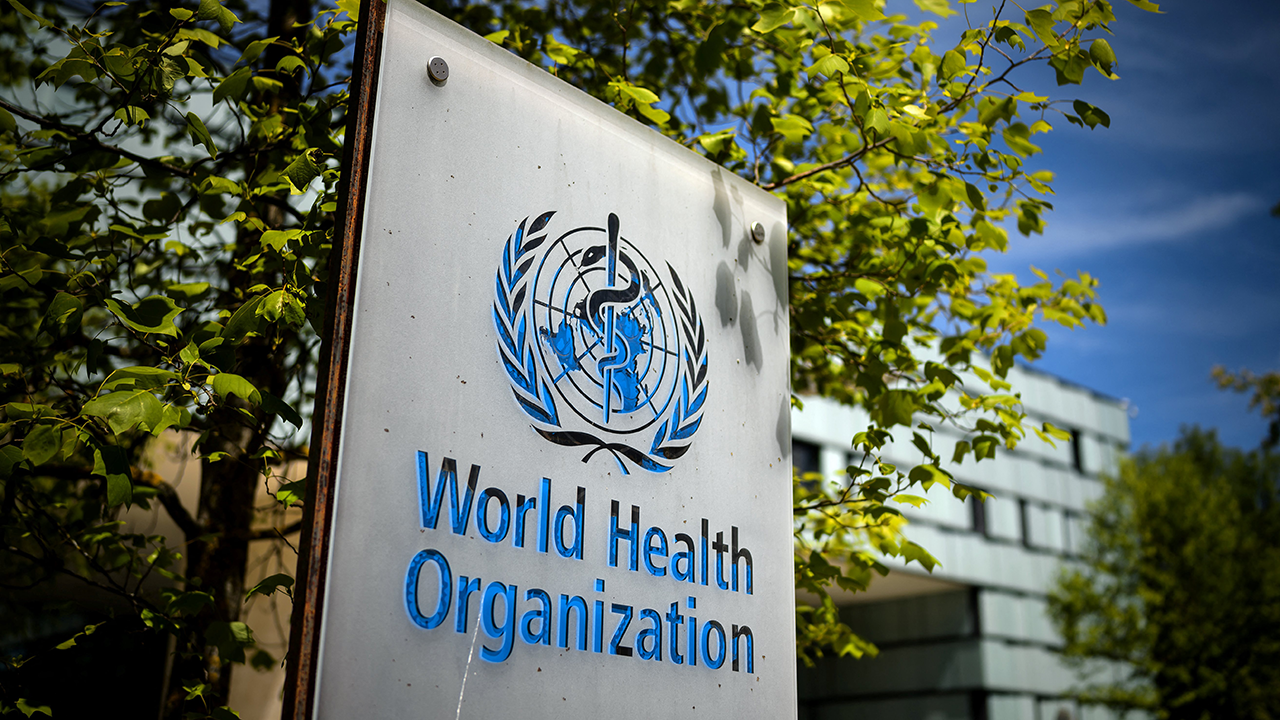
The World Health Organization (WHO) has firmly stated that neither the common painkiller Tylenol nor standard childhood vaccines cause autism. This clarification followed recent remarks from US President Donald Trump suggesting otherwise. Speaking to reporters in Geneva, WHO spokesman Tarik Jasarevic emphasized that multiple scientific reviews have consistently found no credible link between acetaminophen (Tylenol) or vaccines and autism. He warned against drawing hasty conclusions based on incomplete or inconsistent evidence, stressing the importance of relying on verified scientific research.
Jasarevic acknowledged that earlier observational studies had suggested a possible association between prenatal acetaminophen exposure and autism. However, he noted that follow-up studies have repeatedly failed to confirm such a connection. “If the link between acetaminophen and autism were strong, it would have been consistently observed across multiple studies,” he explained. This statement comes amid growing concern over misinformation and its potential impact on public health decisions, especially during sensitive discussions about pregnancy and infant care.
Read more : US rejects WHO global pandemic response accord
The US president on Monday urged pregnant women to avoid Tylenol and suggested major changes to standard vaccination practices. These comments reignited debates around vaccine safety, a topic long targeted by anti-vaccination movements. Trump’s remarks also echoed conspiracy theories promoted by US Health Secretary Robert F. Kennedy Jr., who for decades has falsely claimed vaccines cause autism. Public health experts fear such statements could fuel vaccine hesitancy and undermine decades of immunization progress.
WHO strongly defended the global vaccination schedule, which it says has saved at least 154 million lives in the past 50 years. Jasarevic highlighted that these schedules are based on rigorous scientific review and have been adopted by every country worldwide. “Vaccines do not cause autism,” he stated firmly. “They safeguard children, adolescents, and adults against 30 infectious diseases.” He further warned that altering vaccination timelines without evidence-based guidance could significantly increase the risk of outbreaks, putting both individuals and entire communities in danger.
In addition to vaccines, medical groups continue to consider acetaminophen among the safest pain relief options for pregnant women when used appropriately. WHO officials stressed that spreading unverified claims can create confusion, delay essential medical care, and erode trust in health institutions. By reaffirming their position, WHO aims to prevent unnecessary fear and ensure parents and expecting mothers continue to follow scientifically supported medical advice that protects public health.