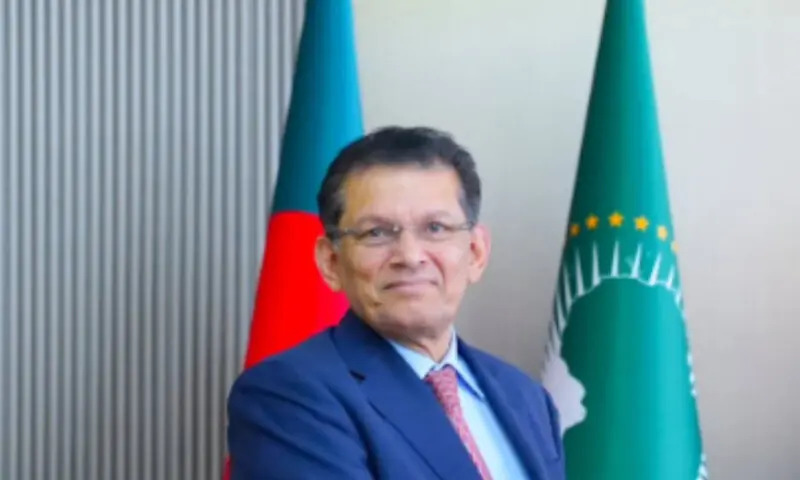
Bangladesh’s Foreign Minister Khalilur Rahman was elected president of the United Nations General Assembly for its 81st session on Tuesday. The victory is significant because it places Bangladesh in a prominent global diplomatic position. UN member states and multilateral institutions will be affected by the leadership transition.
Rahman secured 99 votes in the 193-member General Assembly, defeating Cyprus candidate Andreas S. Kakouris, who received 91 votes. The closely contested election required a minimum of 96 votes for victory. The result reflected strong diplomatic competition within the UN’s Asia-Pacific rotational framework.
Read more: Bangladesh measles outbreak kills hundreds as hospitals struggle
Under UN procedures, the General Assembly president is elected annually through a vote of member states. Although the role does not carry executive authority, it holds considerable influence in guiding debates and facilitating negotiations. The officeholder presides over plenary meetings and helps manage discussions on key international issues.
The outcome also highlights Bangladesh’s growing role in global diplomacy. Analysts view the presidency as both symbolic and strategic, offering opportunities to promote consensus among 193 member states. Rahman will oversee discussions on peace and security, sustainable development, climate action, and institutional reform during his one-year term.
Read more: Campaigning starts for Bangladesh’s first election after Hasina’s ouster
Rahman will formally assume office when the 81st General Assembly session opens in September 2026. Meanwhile, Pakistan’s Deputy Prime Minister and Foreign Minister, Mohammad Ishaq Dar, congratulated his Bangladeshi counterpart. Dar praised Rahman’s diplomatic experience and expressed confidence in his ability to lead the Assembly while advancing multilateral cooperation, dialogue, and sustainable development.