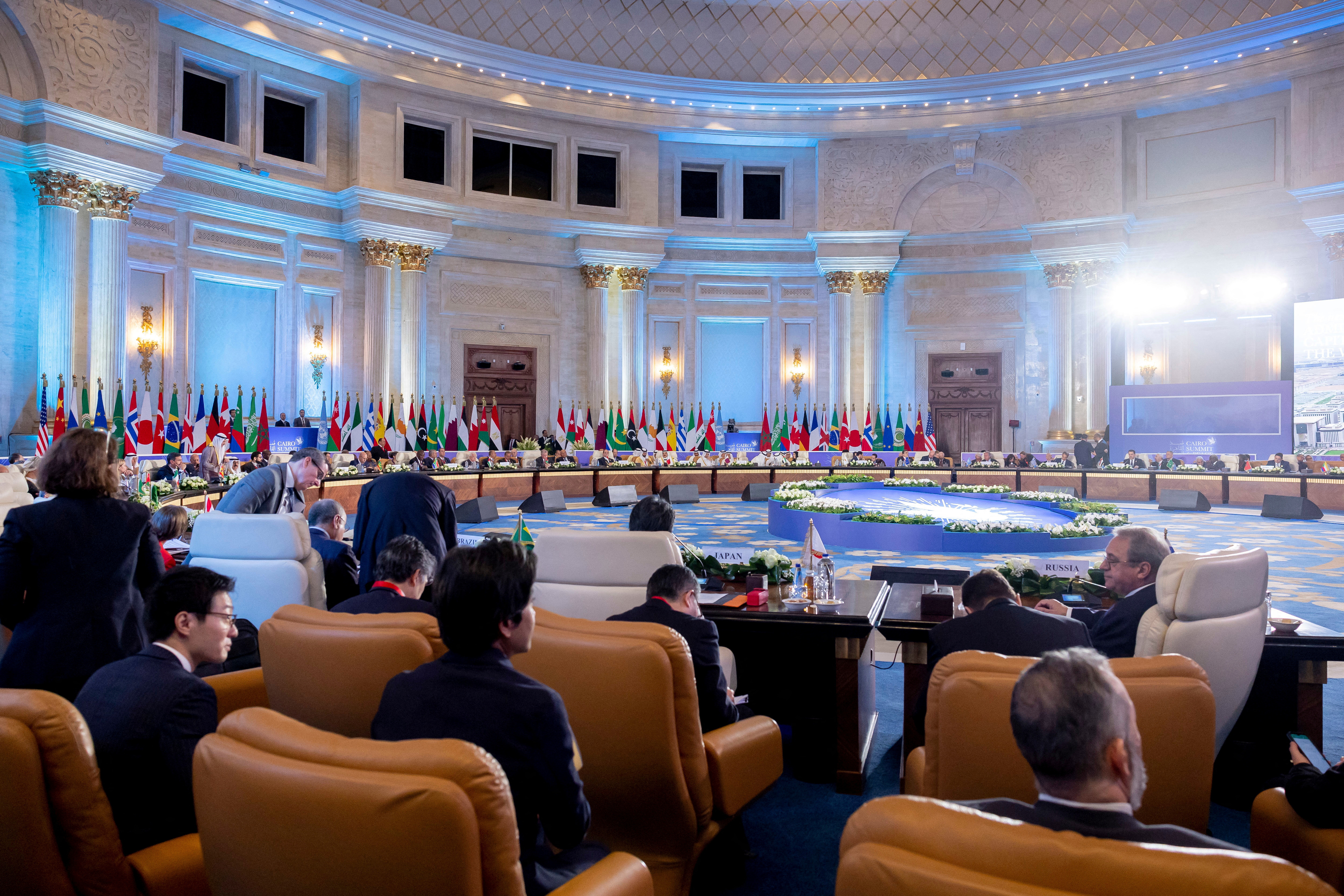
Diplomatic engagement among key Islamic countries is set to intensify as the foreign ministers of Pakistan, Saudi Arabia, Turkey and Egypt prepare to meet in Cairo on June 21. The high-level gathering comes at a significant moment for the region following recent developments involving the United States and Iran, as well as ongoing tensions across West Asia.
Pakistan is expected to be represented by Deputy Prime Minister and Foreign Minister Ishaq Dar, who is likely to travel to Egypt ahead of the meeting. His participation reflects Islamabad’s continued diplomatic outreach and its commitment to engaging with regional partners on critical political, security and economic issues affecting the broader Middle East.
The ministers are expected to hold detailed discussions on regional security, bilateral relations and trade cooperation among their countries. In addition, they will review the rapidly evolving situation in West Asia and exchange views on how greater coordination among major Islamic nations can help address emerging diplomatic and security challenges.
A major focus of the talks will be the regional environment following the recent US-Iran agreement, which has introduced new dynamics into Middle Eastern politics. Participants are expected to explore ways to promote stability, strengthen dialogue and develop a coordinated approach to maintaining peace during a period of significant geopolitical change.
The situation in Gaza is also expected to feature prominently on the agenda. The four countries will discuss developments related to the Gaza peace process and consider diplomatic efforts aimed at reducing tensions, improving humanitarian conditions and encouraging progress toward a more stable and peaceful environment.
The Cairo meeting highlights growing efforts by influential Islamic nations to strengthen consultation and cooperation on pressing regional issues. With security concerns, economic interests and peace initiatives increasingly interconnected, the gathering is expected to provide an important platform for shaping a collective response to the challenges facing the region.