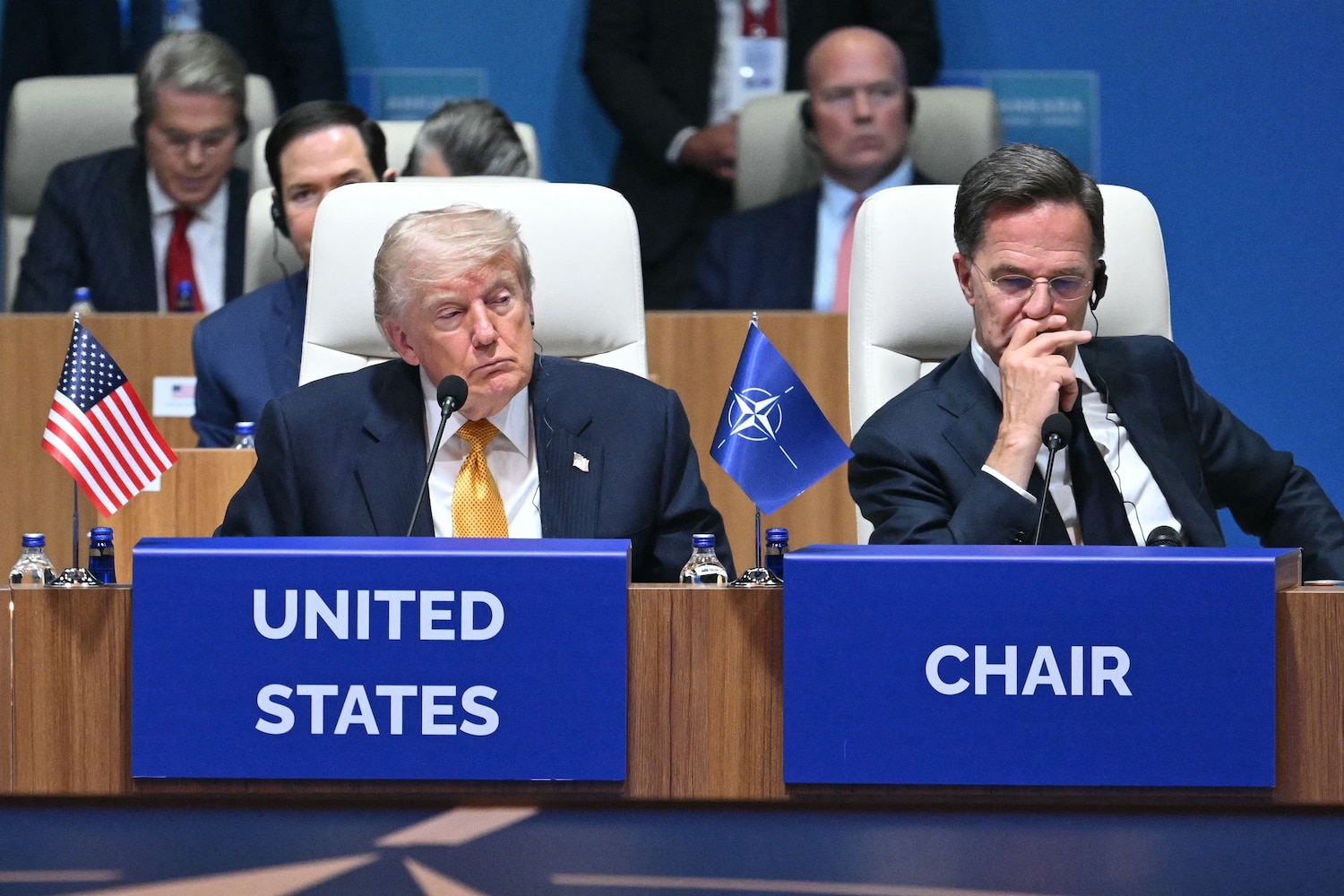
US President Donald Trump has moderated his criticism of Spain after learning about the country’s recent increase in defence spending, easing tensions that had escalated during discussions over NATO commitments.
Read More: Trump Orders Immediate Halt to Trade with Spain
Trump had earlier described Spain as a poor NATO partner and threatened to halt trade with the country, citing disagreements over defence spending and broader policy differences. His remarks came amid disputes involving Spain’s criticism of the US-Israel conflict with Iran and ongoing debates within the alliance over military expenditure.
However, while returning to Washington aboard Air Force One, Trump struck a more conciliatory tone. Speaking to reporters, he said Spain had “come back all the way” and had been “very generous,” suggesting that recent information about Madrid’s defence spending had influenced his assessment.
According to the office of Spanish Prime Minister Pedro Sánchez, Trump’s comments appeared to acknowledge Spain’s progress in reaching NATO’s long-standing target of spending 2% of gross domestic product (GDP) on defence. Spanish officials said the country expects to meet that benchmark this year after significantly increasing military expenditure since 2017.
Despite the improved tone, Spain remains the only NATO member that has not endorsed the alliance’s newer objective of raising defence spending to 5% of GDP by 2035. Madrid has maintained that it supports collective security while pursuing defence policies that align with its national priorities and fiscal planning.
Spanish officials noted that the country’s defence budget has more than doubled over the past several years, rising from less than one percent of GDP in 2017 to nearly €33 billion (about $37.7 billion). The increase reflects Spain’s efforts to strengthen its military capabilities and contribute more actively to NATO operations.
Read More: Trump warns Spain of tariffs over NATO spending dispute
The latest exchange signals a temporary easing of tensions between Washington and Madrid, although differences remain over NATO’s future spending goals and broader foreign policy issues.