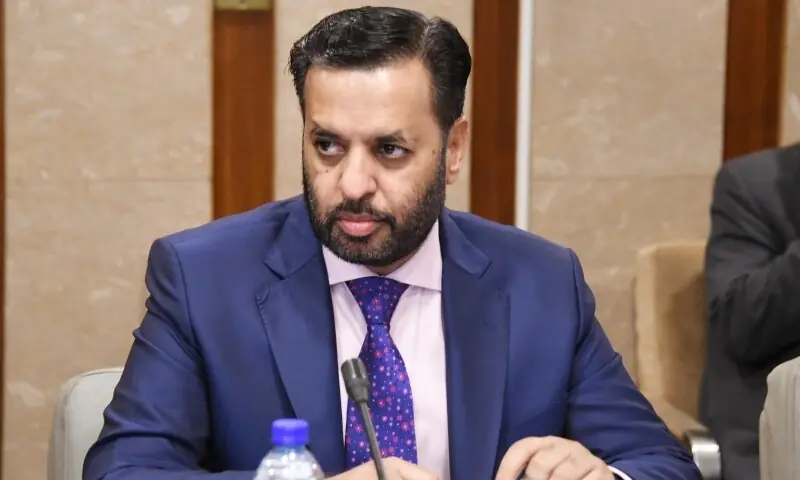
Federal Health Minister Mustafa Kamal has expressed concern over the rising number of HIV cases in Pakistan, saying risky behaviour among some young people, including drug use and unsafe sexual practices at late-night parties, is contributing to the spread of the virus in major cities.
Read More: Reuse of syringes root cause of Valika Hospital HIV cases
He made the remarks while briefing a joint meeting of the Senate Standing Committees on Human Rights and Health, which reviewed the National Population Coordination and Reproductive Health Bill, 2026. The minister said authorities were concerned about activities taking place at such gatherings and stressed the need for greater public awareness and preventive measures.
Kamal noted that HIV transmission has multiple causes and emphasized the importance of promoting responsible behaviour, expanding health education and improving access to prevention and treatment services. He said coordinated efforts were needed to address the growing public health challenge.
During the meeting, the minister also discussed Pakistan’s population growth, stating that Prime Minister Shehbaz Sharif had held several meetings on the issue. He said a committee comprising Planning Minister Ahsan Iqbal, the finance minister and other officials was working on policy measures to address population-related challenges.
Kamal argued that the current National Finance Commission (NFC) Award formula, under which 82 percent of resource distribution is based on population, unintentionally encourages population growth. He said countries in the region assign significantly less weight to population in similar fiscal arrangements.
The health minister further announced that taxes on contraceptive medicines had been reduced to zero in the current federal budget through the efforts of the prime minister and the finance ministry. According to Kamal, improved affordability and easier access to family planning products could help reduce annual population growth by around 150,000 people.
Read More: HIV cases rise sharply in Islamabad
He also said Pakistan records approximately 6.7 million births each year, underscoring the need for sustained investment in reproductive health services, awareness campaigns and long-term population planning.