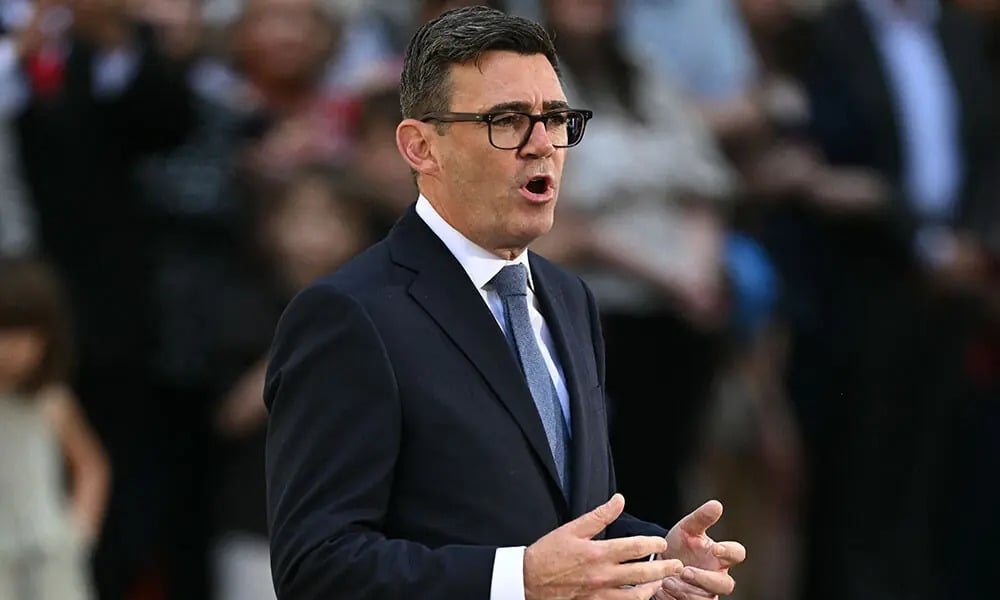
Andy Burnham became Britain’s new prime minister on Monday after meeting King Charles III at Buckingham Palace. The monarch invited Burnham to form the next government after accepting Keir Starmer’s resignation. The leadership change begins a new political chapter for the United Kingdom.
Starmer left Downing Street earlier on Monday after serving as prime minister for two years. In his farewell speech, he said Britain was stronger and fairer than before. He expressed pride in his government’s achievements before formally stepping down.
Read more: Andy Burnham elected new Labour leader, now set to be UK PM
Burnham, 56, became the sixth prime minister to enter Downing Street in the past decade. The former mayor of Greater Manchester accepted the King’s invitation to form a government. He is expected to outline his priorities in his first national address.
Meanwhile, Burnham faces major challenges including slow economic growth, high public borrowing costs, and rising living expenses. Additionally, he must address pressure from irregular migration and concerns over energy prices. His government will focus on restoring public confidence.
Burnham said he wants to move away from years of political instability. He pledged a different approach to public spending and economic management. Moreover, he promised early action to support households facing financial pressures.
Read more: UK PM Andy Burnham scraps proposed digital ID scheme for adults
The new prime minister is expected to announce senior cabinet appointments, including a replacement for finance minister Rachel Reeves. Therefore, his early decisions will receive close attention from lawmakers and markets. His economic policies will shape the direction of his government.
Burnham returned to Parliament recently after previously serving as an MP and government minister. His Labour leadership comes as the party faces pressure from Reform UK. Meanwhile, Burnham has described his leadership as a crucial opportunity to rebuild public support.