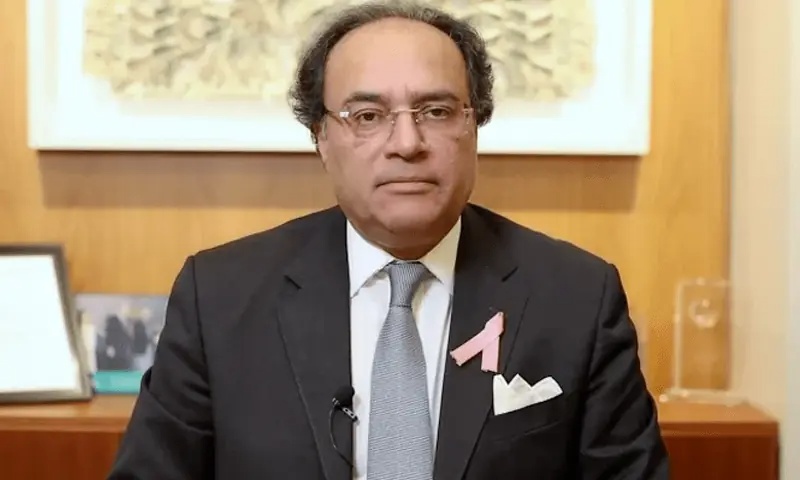
Finance Minister Muhammad Aurangzeb on Wednesday acknowledged that several multinational companies (MNCs) have exited Pakistan in recent years due to high taxes and energy costs, but urged firms to modernise their business models rather than rely on decades-old practices.
Read More: Finmin urges FBR to intensify enforcement, expand tax net
Speaking at the Pakistan Policy Dialogue in Islamabad, Aurangzeb said that rising taxation, financing constraints and energy prices were “real issues” for foreign investors. Companies including Procter & Gamble, Eli Lilly, Shell, Microsoft, Uber and Yamaha have wound down or restructured operations in Pakistan in the past few years.
“Tax policy has been moved from the FBR to the Finance Division to align decisions with growth objectives rather than accounting convenience, separating policy from collection.” Senator Muhammad Aurangzeb, Federal Minister, @Financegovpk #PakistanPolicyDialogue pic.twitter.com/E0s98kTn1e
— Nutshell Group (@NutshellGroup) January 14, 2026
However, the minister argued that foreign businesses also needed to adapt. “If you are wedged into your business models from the last 50 years, it is not going to work in the modern world,” he remarked. Citing Nestle and Unilever as examples, he said both companies had adopted local sourcing strategies that helped maintain margins and create export opportunities.
Aurangzeb claimed that despite recent exits, Pakistan had seen “20 new foreign investors” enter the market in the past 18 months. He also highlighted the government’s privatisation programme, saying that 24 state-owned enterprises (SOEs) had been transferred to the Privatisation Commission. Loss-making SOEs such as Utility Stores Corporation and PASSCO were shut down due to costly subsidies and corruption, he added.
The minister outlined upcoming tariff and regulatory reforms, including phasing out Regulatory Duty, Customs Duty and Additional Customs Duty over five years to reduce raw material costs and support export-led growth. He said the effort could become Pakistan’s “East Asia moment” if executed effectively.
Aurangzeb described debt servicing as the country’s largest expenditure and announced plans to modernise the debt management office. He said Pakistan would issue Panda Bonds “in the next couple of weeks” and reiterated the government’s intention to regulate cryptocurrency trading to curb informal activity worth billions of dollars.
Read More: Aurangzeb urges FBR to boost tax compliance
Analysts say multinational exits reflect a combination of high operational costs, shifting global strategies and increased domestic competition.