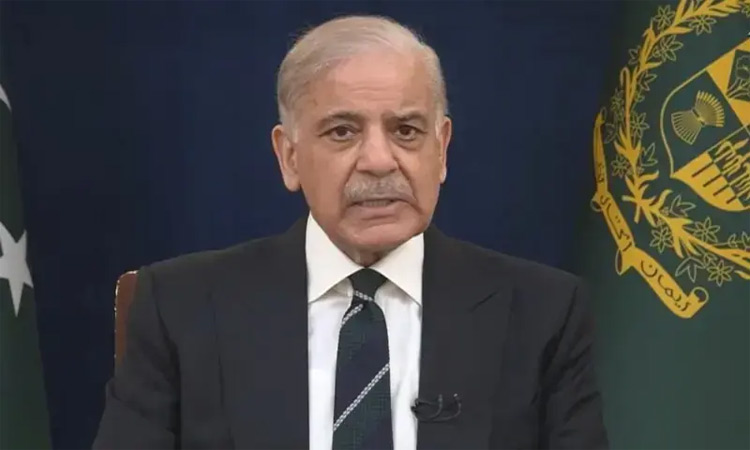
ISLAMABAD — Prime Minister Shehbaz Sharif announced on Friday that the government has decided not to increase petroleum product prices despite a sharp rise in global oil rates, saying the move is aimed at easing the financial burden on citizens.
وزیرِ اعظم محمد شہباز شریف کا عالمی منڈی میں تیل کی مزید قیمتیں بڑھنے کے باوجود عوام سے کئے گئے وعدے کے مطابق اس مرتبہ پیٹرولیم مصنوعات کی قیمتیں نہ بڑھانے کا فیصلہ
عام آدمی پر بوجھ کم کرنے کے لیے، قیمتوں میں اضافہ نہیں کیا جا رہا۔
اپنے وعدے کے مطابق جس قدر ہو سکا، ان مشکل… pic.twitter.com/MT27Gfapdb
— PTV News (@PTVNewsOfficial) March 13, 2026
The decision came as the government was scheduled to review fuel prices on March 13 amid volatility in global energy markets. According to the premier, the government is trying to provide maximum relief to the public despite mounting economic pressures.
Read More: Global stocks fall as oil surge fuels market uncertainty
Earlier on March 6, the government had increased petrol and diesel prices by Rs55 per litre each after international oil prices surged due to the ongoing conflict involving the United States, Israel and Iran.
Speaking about the latest decision, Shehbaz Sharif said that regional tensions were continuing to affect the global economy and could potentially impact Pakistan’s financial stability.
“Through timely policy-making and strict fiscal discipline, we are striving to manage the situation effectively,” the prime minister said.
He added that the government remains committed to protecting citizens from rising living costs and is taking several steps to minimise the economic impact of the global fuel crisis.
Officials said the government is also implementing austerity and fuel conservation measures to manage the situation. These steps are part of a broader strategy aimed at reducing public expenditure and limiting unnecessary fuel consumption.
Read More: Oil prices surge to four-year high amid Iran attacks
In a recent address to the nation, the prime minister outlined several austerity initiatives to deal with the global energy crisis triggered by the conflict in the Middle East. The measures include reducing government expenditures, cutting non-essential travel and introducing a four-day working week for government offices.
The government hopes that these steps will help stabilise the economy and cushion the public from further increases in energy costs while global markets remain volatile.