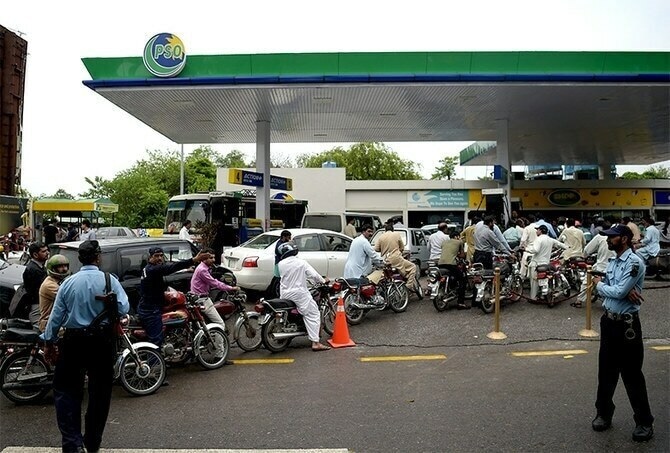
The Government of Pakistan is preparing a petrol subsidy plan aimed at supporting low-income citizens after a sharp rise in fuel prices increased financial pressure on households across the country. Officials say the relief initiative will mainly assist people registered under the Benazir Income Support Programme, particularly motorcycle and rickshaw drivers who depend on fuel to earn daily income.
According to officials, the government has proposed a relief package worth approximately Rs23 billion, which will be funded through savings generated under the national energy conservation policy. Authorities explained that the subsidy will specifically target two-wheeler and three-wheeler drivers, helping them manage rising transport costs and maintain their livelihoods despite increasing petroleum prices in both local and global markets.
Read more : Punjab Government’s First Two Years and a Transforming Punjab
Meanwhile, the Oil and Gas Regulatory Authority and the Petroleum Division have begun working on the mechanism for distributing the subsidy. Officials told lawmakers that assistance will be delivered using BISP beneficiary data, ensuring that financial support reaches eligible citizens and avoids misuse while focusing on vulnerable groups most affected by the price surge.
Furthermore, officials informed the Senate Standing Committee on Petroleum that nearly thirty million motorcycle and rickshaw users across Pakistan could potentially benefit from the proposed relief measure. Committee members, including Senator Manzoor Ahmed Kakar, criticized the recent Rs55 increase in petroleum prices, arguing that the sudden rise has placed a heavy financial burden on ordinary citizens.
Read more : Punjab govt hints at action over ‘malicious campaign’ involving …
During the briefing, authorities explained that rising tensions in the Middle East have disrupted petroleum supply chains because nearly seventy percent of Pakistan’s petroleum imports originate from the region. Officials warned that global uncertainty has pushed prices higher, with Brent crude approaching 103 dollars per barrel while diesel prices in international markets have surged sharply.
Officials also briefed lawmakers on the country’s current fuel reserves, stating that crude oil stocks can last about eleven days while diesel reserves are available for twenty-one days and petrol supplies for roughly twenty-seven days. In addition, the government is exploring alternative import options, including purchasing crude from Russia, as authorities closely monitor global energy markets and review petroleum prices regularly.