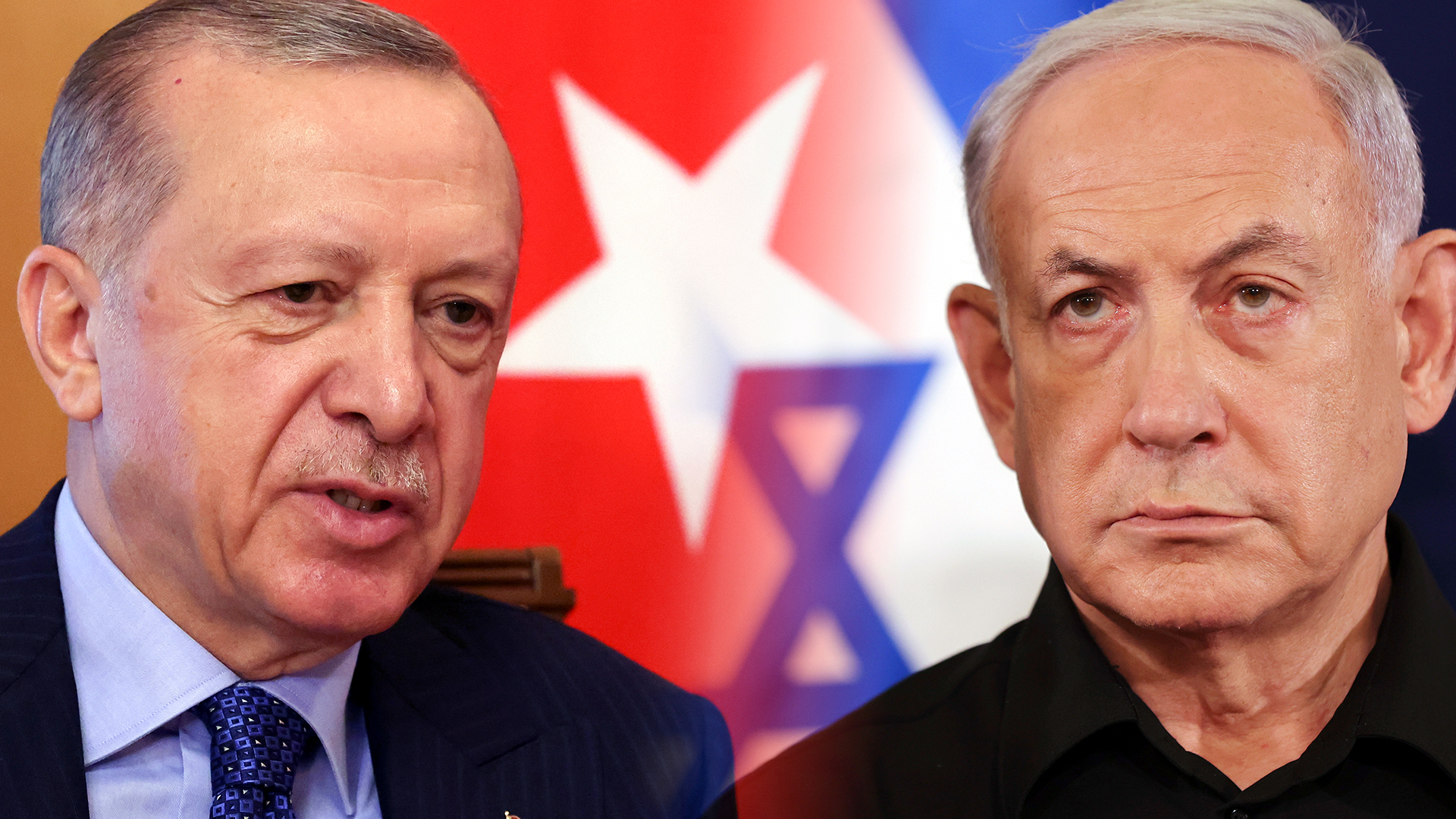
Tensions between Turkey and Israel have escalated further after Turkish Foreign Minister Hakan Fidan accused Israel of attempting to portray Turkey as its “new enemy” amid shifting regional dynamics.
Read More: Turkey seeks to end Iran war strategically
Speaking in a televised interview with state-run Anadolu news agency, Fidan said Israel “cannot live without an enemy” and is now trying to position Turkey in that role following heightened tensions linked to the ongoing conflicts in the Middle East.
Relations between the two countries have deteriorated significantly since the Gaza war, which erupted after the October 7, 2023 attacks by Hamas. Diplomatic strains have intensified over differing positions on regional conflicts, particularly involving Iran and broader geopolitical alignments.
The situation escalated over the weekend after Turkish President Recep Tayyip Erdogan warned US President Donald Trump about potential provocations that could undermine a fragile ceasefire arrangement linked to the wider regional conflict. Erdogan expressed concerns that certain actions could destabilise efforts aimed at reducing tensions.
Meanwhile, Israeli Prime Minister Benjamin Netanyahu reiterated his country’s stance, pledging continued action against Iran and its regional allies. His remarks signaled Israel’s ongoing focus on confronting perceived security threats in the region.
Fidan further claimed that the shift in Israel’s posture is not limited to the current government but is also reflected among some opposition figures, suggesting a broader strategic direction. He described the development as a new phase in Israeli policy.
Analysts say the rhetoric highlights growing divisions between key regional players, raising concerns about further diplomatic strain and potential instability. The evolving narrative could complicate efforts to maintain ceasefires and de-escalate tensions across the Middle East.
Read More: Turkey pledges continued support for Gaza
Observers warn that continued escalation in rhetoric between Turkey and Israel may deepen geopolitical fault lines, at a time when the region is already grappling with multiple overlapping conflicts and fragile diplomatic engagements.