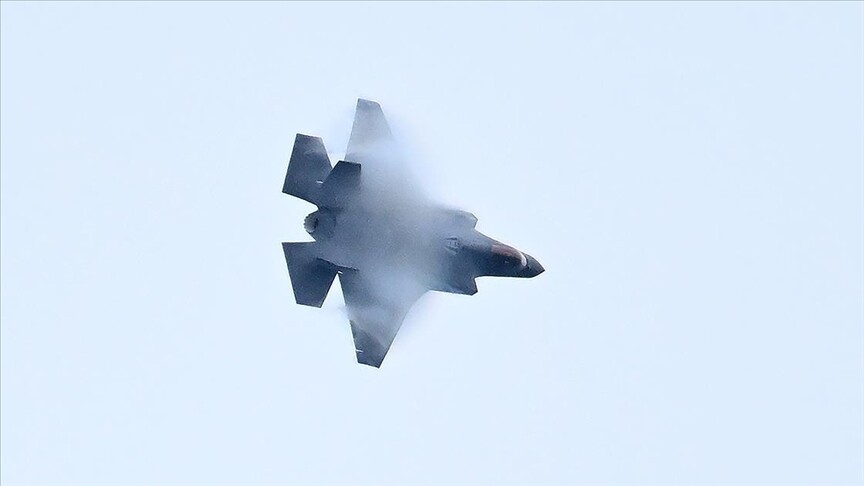
A US congressman has claimed that the United States lost dozens of military aircraft during the conflict with Iran, citing an external defence report during a congressional hearing.
Democratic Congressman Ed Case said during a Senate committee hearing that around 39 US aircraft had reportedly been destroyed since the outbreak of war with Iran on February 28.
Read More: US faces scrutiny after reported heavy aircraft losses in Iran war
Case referenced a report published by defence outlet The War Zone while questioning Pentagon Chief Financial Officer Jay Hurst about the military and financial impact of the conflict.
🗣 米国議会議員「報告によると、我々は1か月前までにイランとの戦闘で39機の航空機を失い、そのうちいくつかは代替がない」#イラン #Iran pic.twitter.com/4PLi3iby5S
— イラン (@IranNewsJa) May 12, 2026
During the hearing, the lawmaker asked whether the Pentagon had calculated the cost of replacing or repairing damaged aircraft, noting that reported losses could carry major financial implications.
Responding to the query, Hurst acknowledged there would be significant costs associated with aircraft damage and replacement but said the Pentagon was still assessing the full extent of losses.
He stated that repair costs are difficult to determine until complete inspections and technical assessments are carried out. According to the report cited in the hearing, the US Air Force conducted nearly 13,000 flights during the conflict.
The report also alleged that 39 aircraft were destroyed while another 10 sustained varying levels of damage. Among the claims were reports that an Lockheed Martin F-35 Lightning II was hit inside Iranian airspace and that a Boeing E-3 Sentry surveillance aircraft was destroyed.
However, these claims have not been independently verified, and Pentagon officials did not publicly confirm the reported losses during the hearing.
The conflict escalated after US and Israeli strikes on Iran in late February triggered retaliatory attacks by Tehran against Israel and US-linked targets across the Gulf region.
Read More: US Admits Loss Of 39 Aircraft During Iran War Operations
The war also disrupted regional trade and energy routes, including the temporary closure of the Strait of Hormuz. A ceasefire later came into effect following diplomatic efforts, though talks aimed at securing a permanent settlement have yet to produce a final agreement.