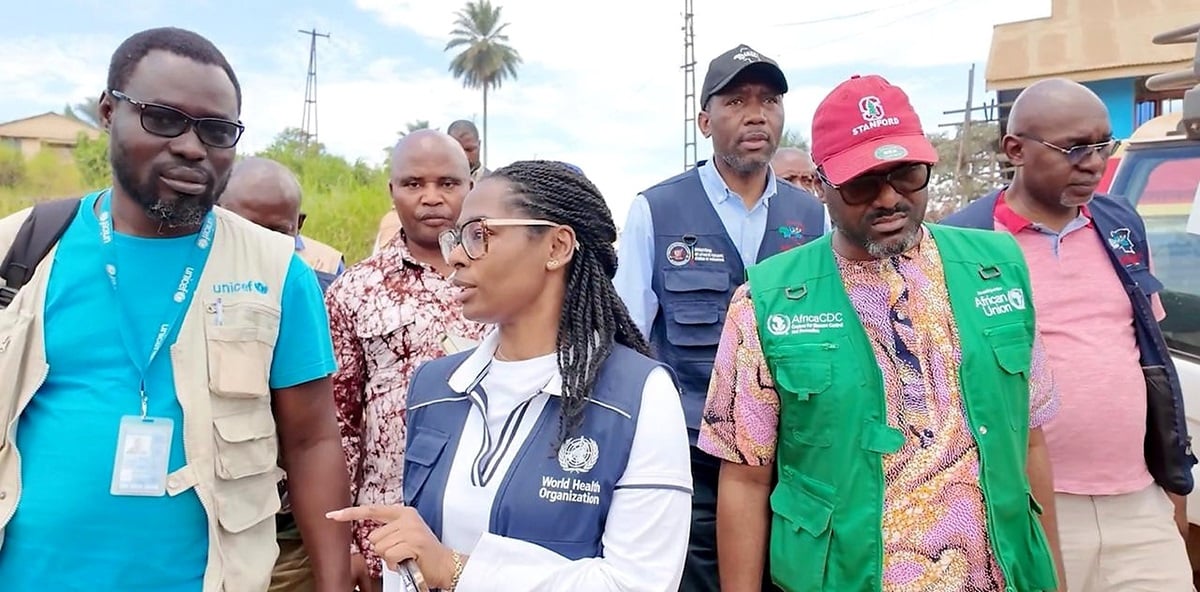
The World Health Organization and Africa CDC have launched a joint $518 million emergency response plan to contain the growing Ebola outbreak in the Democratic Republic of Congo and nearby countries. The six-month initiative aims to strengthen disease control efforts and reduce the risk of further transmission across affected regions.
The programme will run from June through November and focuses on critical areas including emergency coordination, disease surveillance, laboratory testing, infection prevention, clinical treatment and community engagement. Health authorities believe a coordinated response is essential to slowing the spread of the virus and protecting vulnerable populations.
Read more : WHO, Pakistan team up to protect 112 million children against …
The outbreak was officially declared on May 15 in northeastern Democratic Republic of Congo, although experts believe the virus had been circulating undetected before its identification. The current outbreak involves the rare Bundibugyo strain of Ebola, which presents additional challenges for health officials working to contain infections.
According to the latest available figures, the Democratic Republic of Congo has recorded 381 confirmed cases and 64 deaths linked to the outbreak. The hardest-hit area is Ituri province, which accounts for around 90 percent of confirmed infections and more than three-quarters of all reported fatalities.
Read more : WHO highlighted Pakistan decades of vaccine success –
Meanwhile, the outbreak has also crossed borders into neighbouring Uganda, where authorities have confirmed 16 cases and one death. Public health agencies are increasing monitoring and preparedness efforts to prevent wider regional spread and ensure rapid detection of new infections.
Health officials have warned that the situation remains serious because there are currently no approved vaccines or treatments specifically designed for the Bundibugyo strain. Africa CDC noted that the present outbreak has already surpassed the scale of previous Bundibugyo outbreaks recorded in 2007 and 2012, underscoring the urgency of the response effort.