Senior negotiators from the United States and Iran have gathered in Switzerland for a new round of peace talks aimed at strengthening a recently agreed 60-day ceasefire and reducing regional tensions. The discussions are expected to focus on nuclear issues, security concerns, and the implementation of an interim agreement designed to end nearly four months of conflict between the two countries.
However, uncertainty over the Strait of Hormuz has emerged as a major challenge ahead of the negotiations. Iran’s Islamic Revolutionary Guard Corps announced that the strategic waterway had been closed, citing concerns over developments in Lebanon. In contrast, US military officials rejected the claim and stated that commercial shipping continued to move normally through the vital energy corridor.
According to US Central Command, 55 merchant vessels carrying more than 17 million barrels of oil passed through the Strait of Hormuz on Saturday without disruption. The United States also pledged to ensure the continued flow of commercial traffic, emphasizing the importance of the route for global energy supplies and international trade. President Donald Trump further indicated that no tolls would be imposed on ships during the ceasefire period.
Meanwhile, Iranian officials accused Washington of failing to fully implement key provisions of the 14-point interim agreement, particularly commitments related to maintaining ceasefires across multiple fronts, including Lebanon. Tehran warned that regional energy flows could remain affected if the agreement remains unfulfilled, while stressing that it would seek concrete guarantees during the Switzerland negotiations.
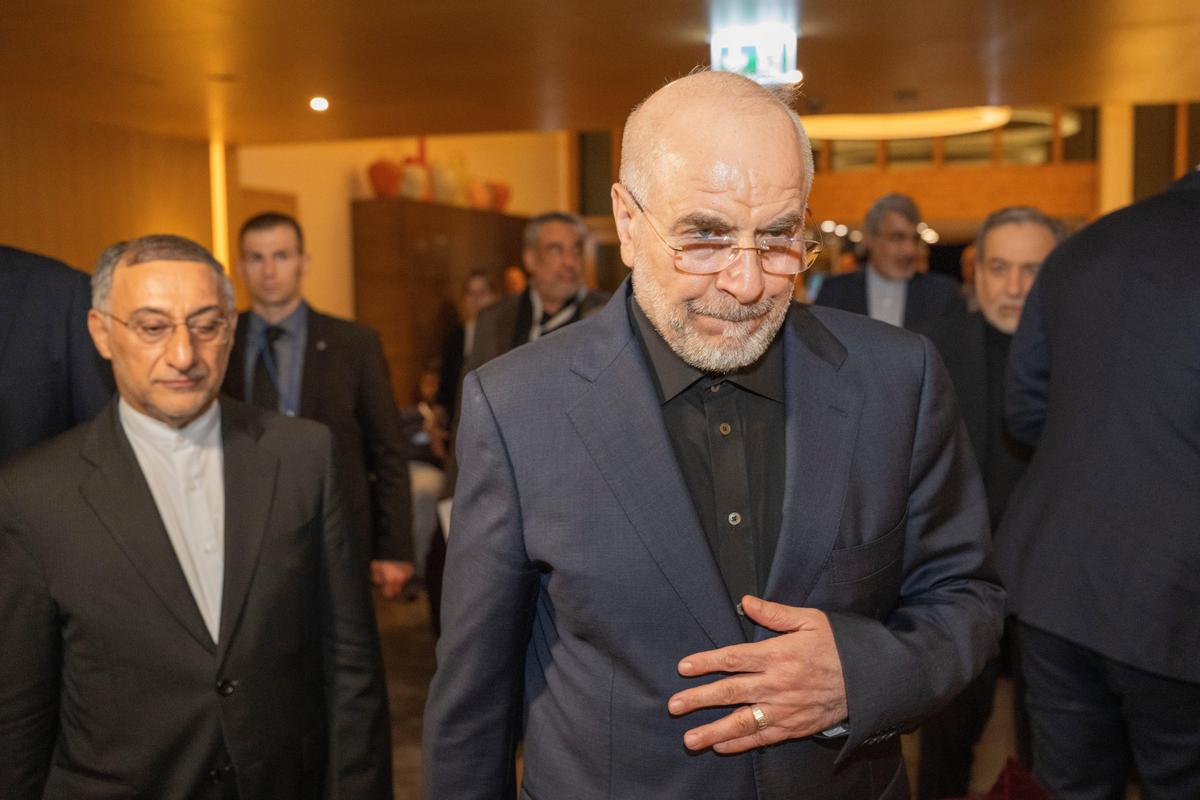
The Iranian delegation is headed by chief negotiator Mohammad Baqer Qalibaf and includes Foreign Minister Abbas Araqchi along with senior security, financial, and energy officials. The American delegation features Vice President JD Vance, special envoy Steve Witkoff, and senior adviser Jared Kushner. Pakistan is also playing a significant diplomatic role, with Prime Minister Shehbaz Sharif and Chief of Defence Forces Field Marshal Syed Asim Munir participating in the talks.
At the same time, ongoing violence in Lebanon continues to cast a shadow over the negotiations. Recent clashes between Israel and Hezbollah have raised concerns about the durability of the ceasefire, despite commitments from all sides to reduce hostilities. Diplomats hope the Switzerland meetings will produce meaningful progress on both the nuclear issue and broader regional security challenges, helping to stabilize an increasingly volatile Middle East.