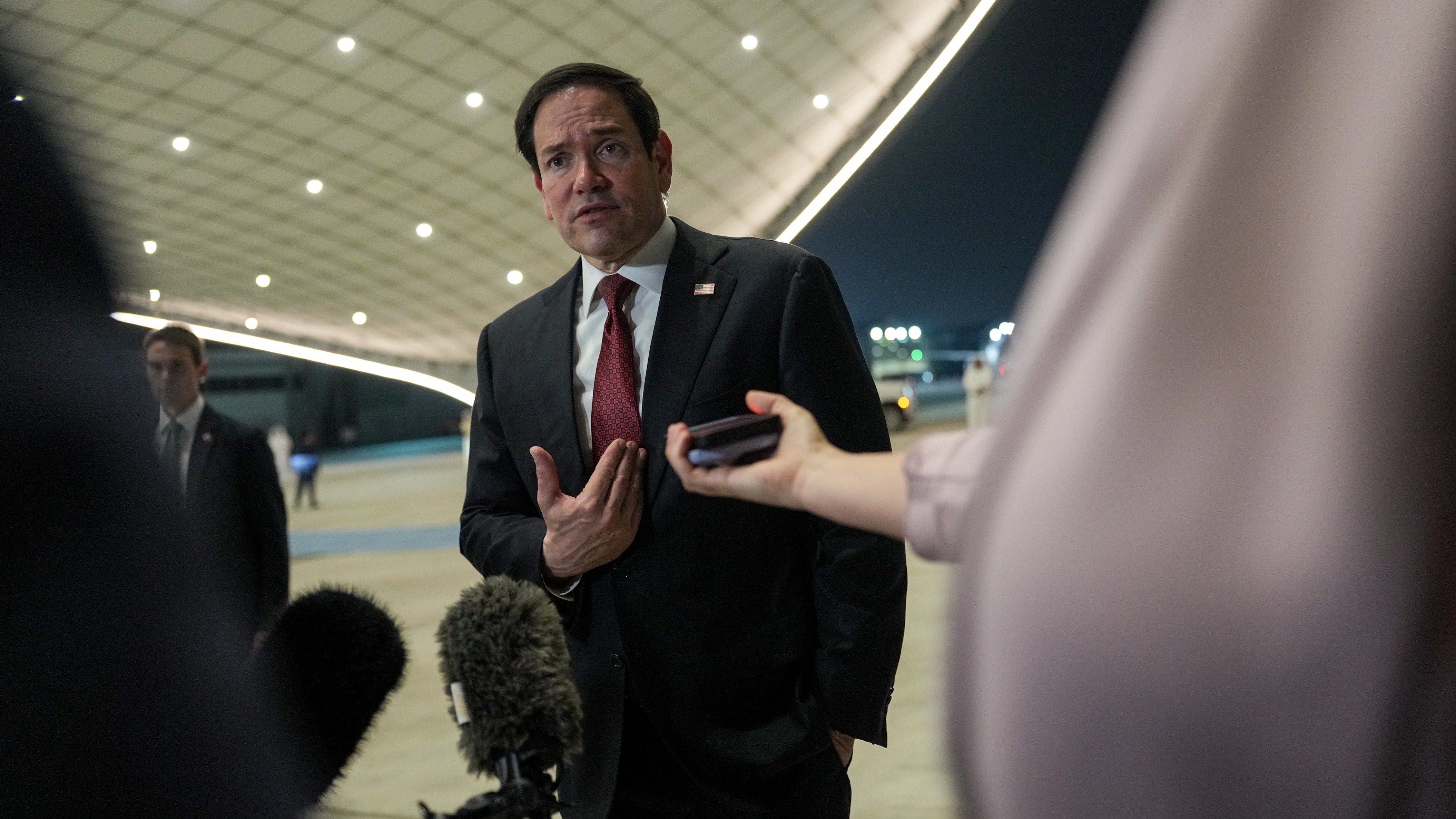
US Secretary of State Marco Rubio has launched a high-level Gulf tour to reassure regional allies concerned about the recent peace agreement between the United States and Iran. Beginning his visit in Abu Dhabi, Rubio aims to address growing questions over the deal’s impact on regional security, military balance and future relations between Washington and Tehran. His trip comes as Gulf leaders closely examine the long-term consequences of the framework agreement reached last week.
Rubio is scheduled to hold talks with officials from the United Arab Emirates, Kuwait and Bahrain, as well as representatives of the Gulf Cooperation Council. While Gulf governments publicly welcomed efforts to end the conflict, many remain uneasy about provisions they believe could strengthen Iran’s regional influence. The concerns have become a central focus of discussions as regional powers seek clarity on the direction of US policy.
Among the most debated aspects of the agreement are the absence of restrictions on Iran’s ballistic missile programme and a proposed $300 billion reconstruction fund. Gulf states fear that increased financial resources could help Iran rebuild its capabilities and expand its influence across the Middle East. Rubio attempted to ease those concerns by stressing that any future economic benefits for Tehran would depend on its conduct and compliance with the agreement.
Regional governments are also worried that improving relations between Washington and Tehran could alter the strategic balance that has shaped the Middle East for decades. Several Gulf countries host major American military bases and remain key security partners of the United States. Officials fear that broader US engagement with Iran could reduce their importance in Washington’s regional calculations and affect existing security arrangements.
Another major concern involves the Strait of Hormuz, one of the world’s most critical energy shipping routes. Some Gulf leaders worry that Iran could gain greater influence over traffic passing through the waterway. Rubio rejected those fears and stated that Iran would not be allowed to impose tolls on vessels because such measures would violate international law and threaten global trade flows.
Meanwhile, security concerns remain heightened following reports of drone attacks and alleged covert operations linked to Iranian-backed networks in the region. Countries such as the UAE and Kuwait, which experienced missile and drone attacks during the conflict, remain particularly cautious. As Rubio continues his diplomatic mission, Gulf leaders are expected to seek stronger assurances that the agreement will enhance stability rather than create new security challenges across the region.