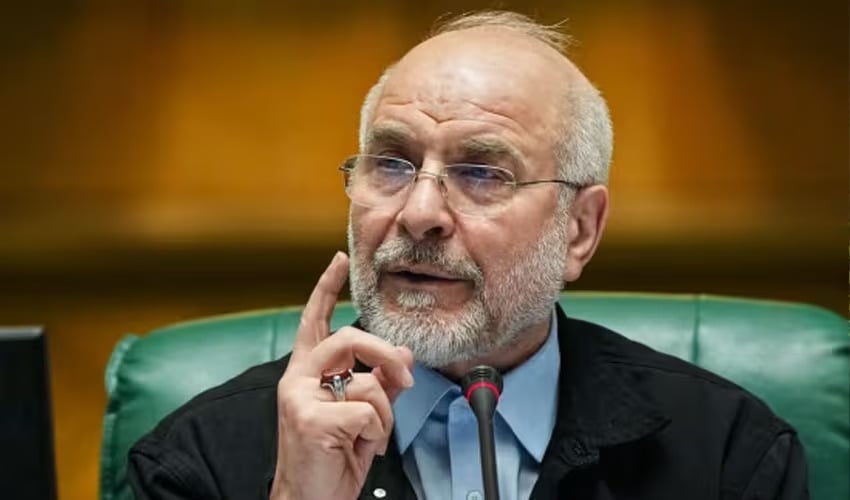
Iranian Parliament Speaker and chief negotiator Mohammad Baqer Ghalibaf warned the United States that any new military strike would trigger a direct response from Tehran. He also said the Strait of Hormuz would reopen only under Iranian arrangements rather than through U.S. military pressure. The warning comes as military tensions between the two countries continue to escalate.
In a statement posted on X, Ghalibaf accused Washington of violating its commitments and relying on intimidation. He said the United States had failed to learn that its actions now carry consequences. “If you strike, you’ll get hit,” he declared, while rejecting U.S. efforts to secure the Strait of Hormuz through force.
Read more: Iran says 14 killed, 78 injured in recent U.S. strikes
Meanwhile, the warning followed a second consecutive day of U.S. airstrikes against Iran. According to U.S. Central Command (CENTCOM), American forces targeted nearly 90 Iranian military sites, including air defence systems, missile and drone storage facilities, coastal surveillance assets, naval capabilities, and military logistics infrastructure. Washington said the operation aimed to reduce Iran’s ability to threaten commercial shipping in the Strait of Hormuz.
Iran responded by launching missile and drone attacks on U.S. military facilities in Kuwait and Bahrain, further escalating the confrontation. The latest exchange of strikes has also weakened hopes of preserving the June 17 memorandum of understanding between Washington and Tehran, which had sought to halt hostilities. Regional governments remain on high alert amid fears of a broader conflict.
Read more: Iran strikes US bases after fresh American attacks
U.S. President Donald Trump later said he believed the ceasefire agreement with Iran had effectively collapsed. He described the latest American strikes as retaliation for Iran’s alleged attacks on commercial shipping in the Strait of Hormuz. Diplomatic efforts remain uncertain as both sides continue exchanging military warnings and operations.