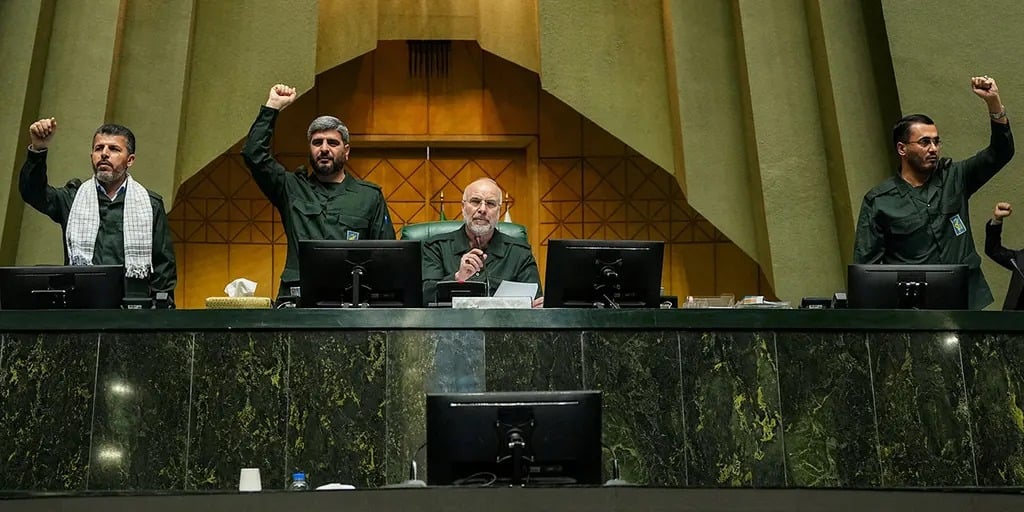
Iran has sharply increased pressure on the United States by demanding full implementation of the June 16 memorandum of understanding as tensions over the Strait of Hormuz continue to rise. Iranian Parliament Speaker and chief negotiator Mohammad Bagher Ghalibaf declared that the time for one-sided agreements had ended and warned Washington to respect its commitments or face serious consequences. He stressed that Article 5 of the agreement, which focuses on reopening the strategic waterway, remains a key point of dispute between both sides.
Read more : US seeks Hormuz reopening pledge from Iran –
Moreover, Ghalibaf reinforced Iran’s position through a strong message on X, saying the United States must keep its promises instead of expecting Iran to carry all the responsibility. He stated that reality was catching up with Washington and insisted that Tehran would no longer accept agreements that benefited only one side. His remarks reflected Iran’s growing frustration over what it believes is a failure to honour previously agreed commitments.
Meanwhile, Brigadier General Mohammad Akraminia also urged the United States to comply with the agreement, accusing Washington of creating an illegal route through the Strait of Hormuz that damaged regional security. He said Iran’s armed forces would firmly protect the country’s interests in the vital waterway while continuously updating a bank of military targets to respond to any future threats if required.
Read more : US seeks Iran pledge to secure Strait of Hormuz shipping
At the same time, regional tensions have continued to increase following a fresh exchange of military actions between both countries. Iran claimed it targeted US military facilities in Bahrain, Kuwait, Jordan, Qatar and Oman, while the United Arab Emirates reported intercepting Iranian missiles and drones. The latest developments came after a third round of US strikes on Iranian targets, which Washington said followed allegations that Iran attacked a Cyprus-flagged container ship in the Strait of Hormuz.
However, diplomatic efforts have not completely stopped despite the worsening security situation across the region. US officials confirmed that technical-level discussions with Iran are still continuing, while Pakistan and Qatar remain actively involved in mediation efforts aimed at bringing both sides back to negotiations. These talks seek to reduce tensions before the conflict expands further.
The Strait of Hormuz remains one of the world’s most important energy routes, carrying a significant share of global oil and gas exports every day. Consequently, any disruption to shipping through the narrow passage could quickly affect international energy markets, increase oil prices and create wider security concerns across the Middle East and beyond, making the dispute critical for the global economy.