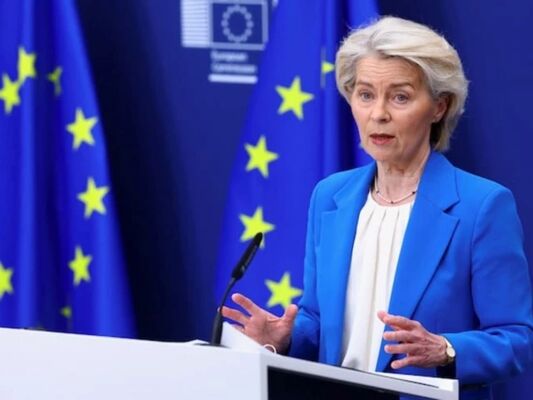
European Commission President Ursula von der Leyen said the European Union will introduce phased and gradual access to social media for children. The proposal aims to strengthen online safety through age-appropriate restrictions and new protections. The planned measures could affect millions of children, families, and technology companies across the 27-member bloc.
Von der Leyen announced the initiative after an independent panel of doctors, academics, youth representatives, and parents presented recommendations on children’s digital safety. She said there was broad agreement that a minimum age should be set for joining social media platforms. A legislative proposal is expected during the second half of the year.
Read more: EU questions Meta over Facebook and Instagram features
The expert panel recommended no screen use for babies and toddlers. It proposed supervised access to age-appropriate digital platforms for children aged three to 12. Teenagers aged 13 to 18 should receive increasing online independence through platforms equipped with strong safety features. The panel stopped short of supporting a complete ban on social media for minors.
Furthermore, von der Leyen said technology companies must prove their products do not harm children. She stressed the issue concerns when social media can reach children rather than whether children can access it. The European Commission is also preparing new legislation to tackle addictive platform designs and strengthen consumer protection for young users.
Read more: EU orders Meta to curb addictive features
The EU has increased scrutiny of major social media platforms in recent months. It recently urged Facebook and Instagram to remove addictive features after issuing similar warnings to TikTok earlier this year. Meanwhile, member states remain divided over age limits, prompting the European Commission to develop a harmonised approach across the bloc.