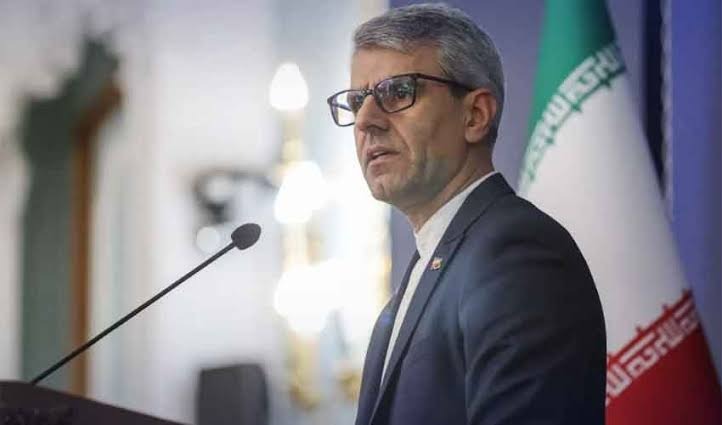
Iran has declared the Islamabad Memorandum of Understanding to be in a terminal crisis, accusing the United States of repeatedly violating its commitments and preventing the agreement from being implemented. Tehran said it will no longer honour its obligations unless Washington returns to what it described as a policy of reciprocal compliance. The announcement further deepens tensions over the future of the Strait of Hormuz and regional security.
Read more : Pakistan urges US, Iran to uphold Islamabad MoU
Foreign Ministry spokesperson Esmaeil Baghaei said Iran had entered the agreement in good faith and had never been the first side to violate its commitments. He argued that the United States quickly withdrew from several promises made under the 14-clause memorandum, making large parts of the agreement ineffective. According to Iran, any future compliance will depend entirely on the other side fulfilling its responsibilities first.
Baghaei also focused on Article Five of the memorandum, which Iran said provided a 30-day period to establish arrangements for reopening and managing the Strait of Hormuz with Oman. He claimed the United States prevented that process from being completed by interfering before the agreed implementation period had ended. Iran insisted it had been actively coordinating with Oman when those efforts were disrupted.
Read more : US, Iran electronically sign Islamabad MoU; Pakistan endorses as …
Furthermore, Iran rejected alternative interpretations of Article Five, arguing that both the Persian and English versions clearly define the responsibilities of the parties involved. Tehran maintained that the Strait of Hormuz must not be used for activities it considers harmful to its national security and insisted it has both the right and responsibility to protect the strategic waterway alongside Oman.
Meanwhile, Iran accused the United States of pressuring Oman, promoting alternative shipping routes and increasing instability across the region. Officials claimed these actions undermined maritime safety and created greater risks for commercial vessels operating in the Gulf. Tehran also dismissed US claims regarding the Muscat talks, saying the discussions focused solely on the Strait of Hormuz and produced no agreements on nuclear or broader regional issues.