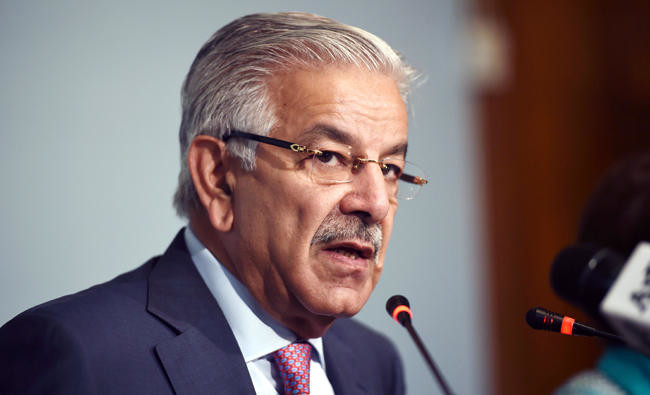
Pakistan’s Defence Minister Khawaja Asif said the ceasefire with Afghanistan depends on the Taliban stopping cross-border attacks. He told Reuters that peace is only possible if militants no longer enter Pakistan from Afghan territory. This follows recent border clashes that left dozens dead, marking the worst violence since the Taliban took control in 2021.
Over the weekend, Pakistan and Afghanistan signed a ceasefire deal in Doha with Qatar and Turkiye as mediators. Asif said the deal’s key condition is that no further incursions occur. “Everything hinges on this one clause,” he stated. Pakistan claims the banned Tehreek-e-Taliban Pakistan (TTP) operates from Afghan safe havens, allegedly with Taliban support—an accusation Kabul has denied.
Read more: Pakistan and Afghanistan agree to immediate ceasefire in Doha talks
Asif confirmed a follow-up meeting will be held in Istanbul to finalise the agreement’s operational details. He said both countries agreed to create a system to resolve disputes and avoid future conflict. The Afghan Defence Minister also admitted terrorism is the main source of tensions. The agreement aims to end violence and bring stability to the region.
Looking ahead, Asif said Pakistan hopes to normalise relations and restore cross-border trade. He noted that Afghanistan will again be allowed to use Pakistani ports, which could improve regional commerce. Asif stressed that Pakistan has paid a heavy price in the fight against terrorism and now seeks lasting peace.
Read more: Regional Powers Applaud Pakistan-Afghanistan Peace Agreement
Addressing the refugee issue, the minister clarified that only Afghans with valid visas may stay in Pakistan. Illegal migrants will continue to be repatriated. He added that the border must be used in a formal and regulated way. “Geography cannot be changed,” Asif said, “but with this agreement, we hope for a better future with Afghanistan.”