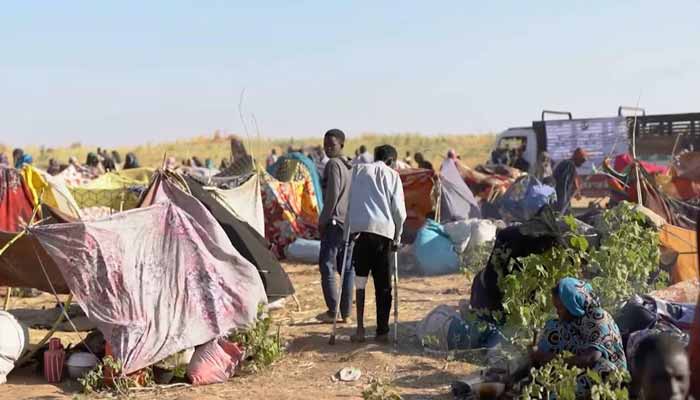
DARFUR, SUDAN: Horrific accounts have emerged from the Sudanese city of al-Fashir, where witnesses say Rapid Support Forces (RSF) fighters executed hundreds of unarmed men after capturing the city last weekend.
According to survivors and aid workers, fighters on camels rounded up groups of men, insulted them with racial slurs, and opened fire near a reservoir outside the city. One survivor, Alkheir Ismail, told a local journalist he escaped only because one of the fighters recognized him from school. “He told them, ‘Don’t kill him,’” Ismail recalled. “Even after they killed everyone else — my friends and everyone else.”
At least four survivors and six aid workers told Reuters that people fleeing al-Fashir were detained, with men separated from women before being taken away. The UN human rights office said hundreds of civilians and unarmed fighters may have been executed — acts that constitute war crimes under international law.
Read More: RSF drone strike kills 30 in Sudan’s El-Fasher: activists
While the RSF has denied the accusations, claiming the reports are “media exaggeration” spread by the army, verified videos show RSF fighters shooting unarmed captives and bodies strewn across the ground. A senior RSF commander said the group had arrested individuals accused of violations but insisted “there were no killings as claimed.”
Medical charity Médecins Sans Frontières (MSF) reported that around 500 civilians and soldiers who tried to flee the city were either captured or killed. Survivors also said the RSF separated people based on ethnicity, gender, and age, with some held for ransom amounts between 5 million and 30 million Sudanese pounds ($8,000–$50,000).
Experts warn the assault mirrors earlier RSF atrocities in other parts of Darfur. Genocide scholar Alex de Waal said the events in al-Fashir appeared “very similar” to previous massacres in Geneina and elsewhere.
Read More: Hundreds missing, feared dead after Darfur city seized
Humanitarian groups say thousands are still missing, and only a fraction of the 260,000 civilians who were in al-Fashir have been accounted for in nearby safe zones. Survivors describe scenes of devastation, hunger, and fear, as families remain separated and uncertain whether their loved ones are alive.