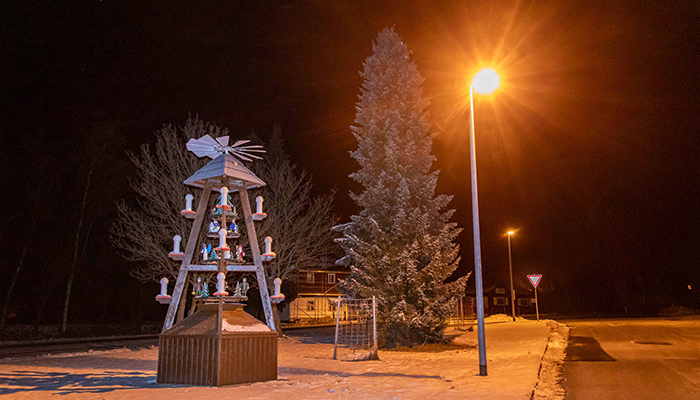
Alaska has entered its annual polar night, causing the sun to stay below the horizon for 64 days. Residents of Utqiaġvik, the northernmost town, will not see the sun again until January 22, 2026. This phenomenon occurs due to the tilt of the Earth’s axis, which prevents sunlight from reaching the Arctic Circle during winter.
Utqiaġvik, located about 500 miles northwest of Fairbanks, has around 4,400 residents and historic sites dating back to 500 AD. Despite the darkness, the town will experience a few hours of “civil twilight,” a dim blue light visible just before sunrise. Local authorities and media report that daily life continues despite the long night.
The absence of sunlight leads to rapidly dropping temperatures in the Arctic region. This period contributes to the formation of the polar vortex, a low-pressure area of extremely cold air in the stratosphere. Occasionally, Arctic air can descend into southern regions, causing extreme cold spells beyond Alaska.

During the polar night, the town experiences minimal sunlight, but the population adapts through indoor activities and community events. Schools, businesses, and local sports continue, with Utqiaġvik hosting the northernmost high school football team during summer months. Residents also maintain cultural and historical traditions to cope with prolonged darkness.
In contrast, summers bring nearly three months of continuous sunlight, allowing extended outdoor activities and sports. Scientists study the region to understand extreme seasonal changes and their effects on local ecosystems and human health. Residents balance the challenges of polar night with the benefits of long summer days and Arctic natural beauty.