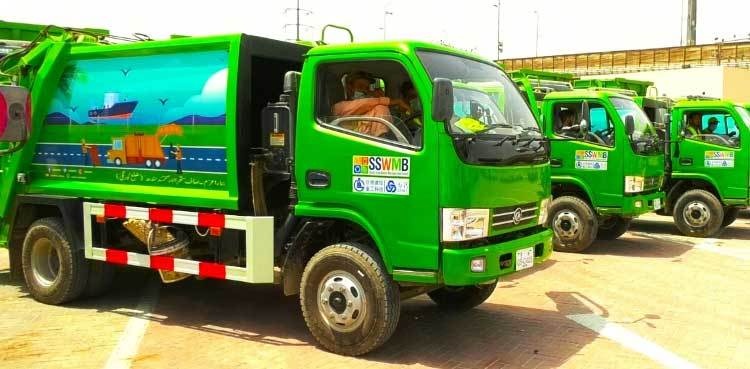
Pakistan Bureau of Statistics (PBS) has revealed that around two-thirds of the country’s population does not have access to a proper waste management system. According to the bureau, 67% of people in Pakistan dispose of garbage in open areas.
The PBS report highlighted that only 11% of the population relies on municipal collection services, while nine percent use private waste disposal services. In urban areas, 25% of residents depend on municipal services, and 18% use private providers.
Read More: Punjab launches Clean Punjab Authority with 41 new agencies
Provincial disparities are significant. Punjab and Sindh have comparatively better waste management systems, whereas Khyber Pakhtunkhwa lags behind. In rural areas of Khyber Pakhtunkhwa, 85% of households throw trash openly, while 41% of urban households do the same.
Balochistan faces the most severe challenges. Only one percent of households have access to municipal waste services, leaving approximately 81% of residents to dispose of garbage in open spaces. The PBS data underscores the urgent need for improved infrastructure and waste management policies across the country.
Experts say inadequate waste disposal contributes to environmental pollution, health hazards, and the spread of diseases. The lack of a coordinated system also impacts urban planning, sanitation, and the overall quality of life, particularly in rural and underdeveloped areas.
Read More: Lahore residents to receive waste collection bills next week
The PBS findings highlight the critical need for both government and private sector intervention to develop sustainable waste management solutions. Enhancing collection services, promoting recycling, and increasing public awareness are seen as key steps to address this growing issue.