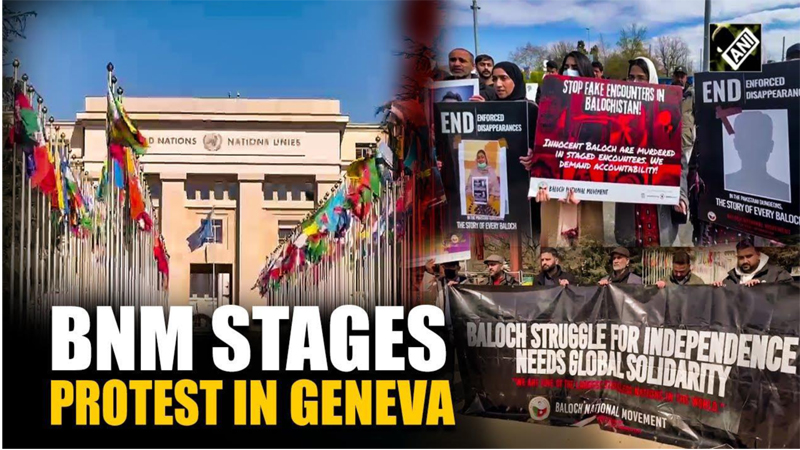
 The intersection of international human rights advocacy and national security remains one of the most contentious arenas in global diplomacy. This tension was recently highlighted during a conference organized by the Baloch National Movement (BNM) in Geneva on March 27, 2026.
The event featured a statement by Ms. Ana Lorena Delgadillo Perez, a member of the UN Working Group on Enforced or Involuntary Disappearances (WGEID), whose remarks sparked a robust debate in Pakistan.
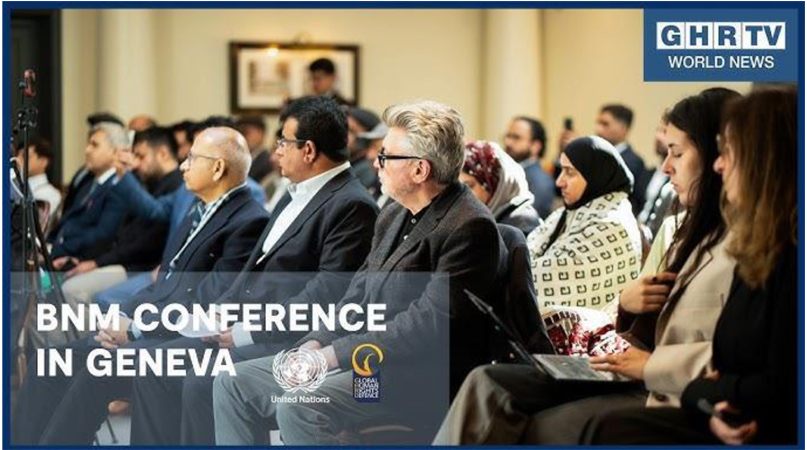
The Statement!
At the Geneva conference, Ms. Perez voiced grave concerns regarding the human rights landscape in Balochistan. Her statement primarily focused on the phenomenon of enforced disappearances, alleging that the Pakistani state employs short-term detentions and extrajudicial measures to silence dissent. She characterized the situation as a systemic failure of domestic remedies, suggesting that the Commission of Inquiry on Enforced Disappearances (CoIED) lacks the necessary autonomy and effectiveness to provide justice to victims’ families.
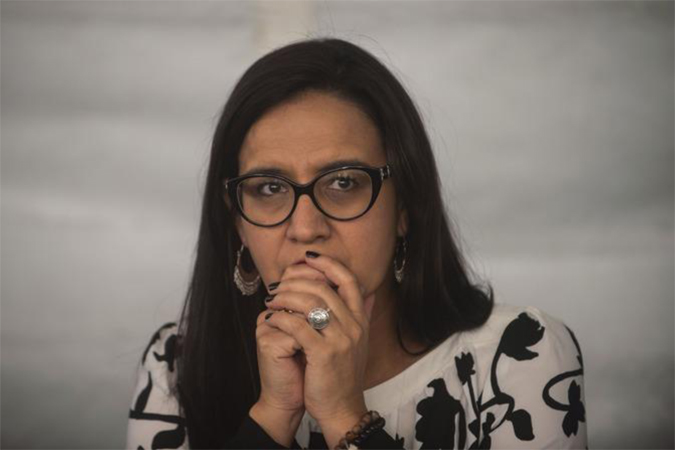
Furthermore, Ms. Perez highlighted the discovery of purported mass graves and the alleged targeting of human rights defenders associated with groups like the Baloch Yakjehti Committee (BYC). Her remarks underscored a perceived disconnect between Pakistan’s international obligations and its ground level security operations, ultimately calling for an unfettered independent UN investigation within the province.
Facts, Law, & Ground Realities
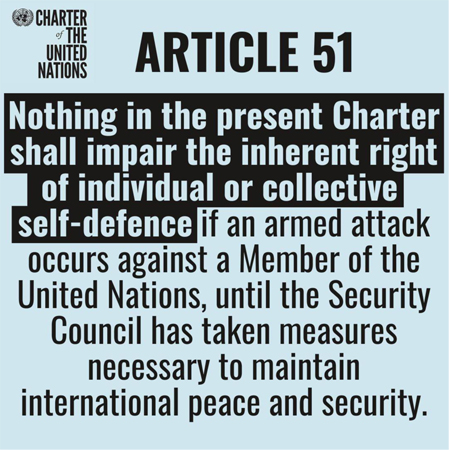
Pakistan’s response to these remarks is not merely a denial but a systematic clarification based on international law, specifically Article 51 of the UN Charter, which recognizes the inherent right of self defence against terrorism.
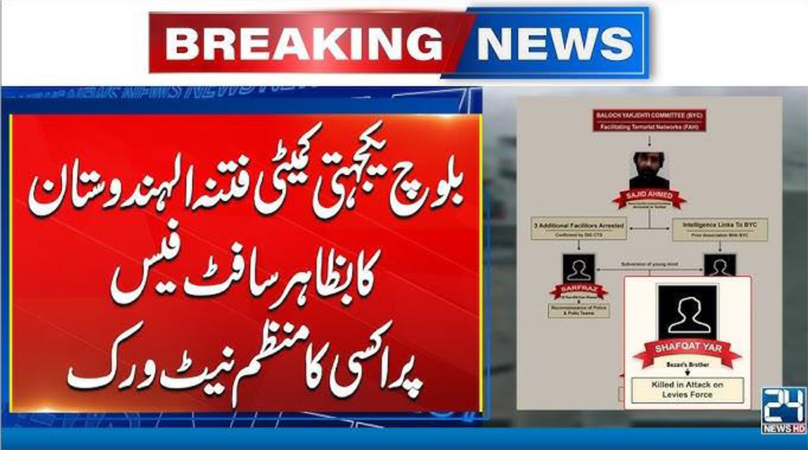
The “Soft Face” of Proscribed Terrorism
A primary point of rebuttal lies in the platform itself. By addressing a forum organized by the Baloch National Movement (BNM), Pakistan argues that UN mandate holders risk legitimizing separatist entities. The BNM, along with elements of the BYC, is viewed by Islamabad as the “soft face” of militant outfits like the Balochistan Liberation Army (BLA) and the Balochistan Liberation Front (BLF).
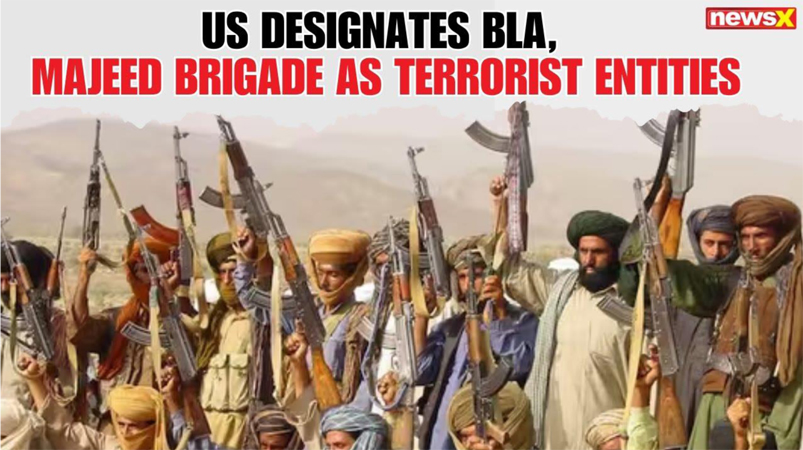
The BLA is not a localized insurgent group but a globally recognized terrorist organization. It was designated as a Foreign Terrorist Organization (FTO) by the United States in August 2025 and has been proscribed by the United Kingdom since 2006. When UN experts echo narratives curated by these groups, they inadvertently shield militants who use the “missing persons” label as a tactical cover for active combatants.
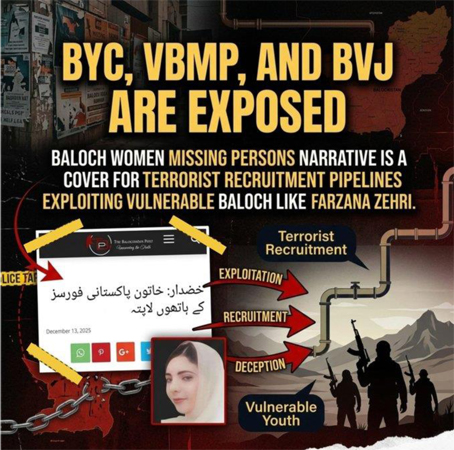
Evidence of Re-emergence and Misreporting
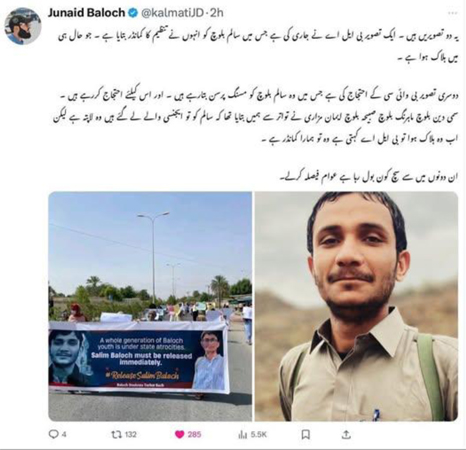
The claim that every missing person is a victim of state overreach is Factually incorrect.
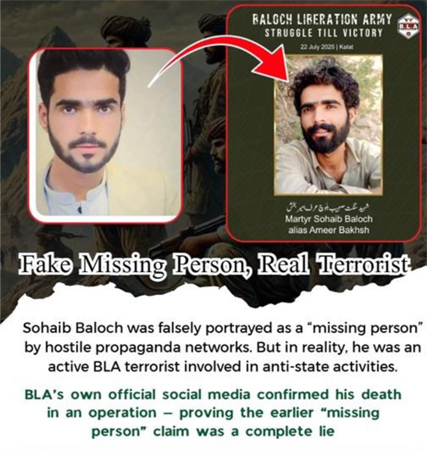
Documented evidence shows a recurring pattern: individuals reported as disappeared frequently re emerge as active commanders or “martyrs” in BLA/BLF propaganda.
In several instances, names submitted to the UN Working Group have later appeared in claims of responsibility for suicide vest attacks or roadside IEDs.

Pakistan maintains that lawful detentions under the Anti-Terrorism Act (ATA)-which include judicial oversight-are being intentionally mischaracterized as “enforced disappearances” to stir international sentiment.

Efficacy of the Commission of Inquiry
Contrary to the allegation that domestic remedies have failed, the Commission of Inquiry on Enforced Disappearances has demonstrated significant functional progress. As of early 2026, the Commission has processed over 10,000 cases, with a healthy resolution rate. These resolutions include tracing individuals to their homes, confirming their presence in lawful detention centers, or identifying those who have fled abroad.

The existence of a high-powered commission led by retired senior judiciary members proves that Pakistan has a transparent mechanism for truth-seeking that operates independently of the executive branch.
Foreign-Funded Instability
The primary driver of instability in Balochistan is not state policy, but foreign-sponsored terrorism.

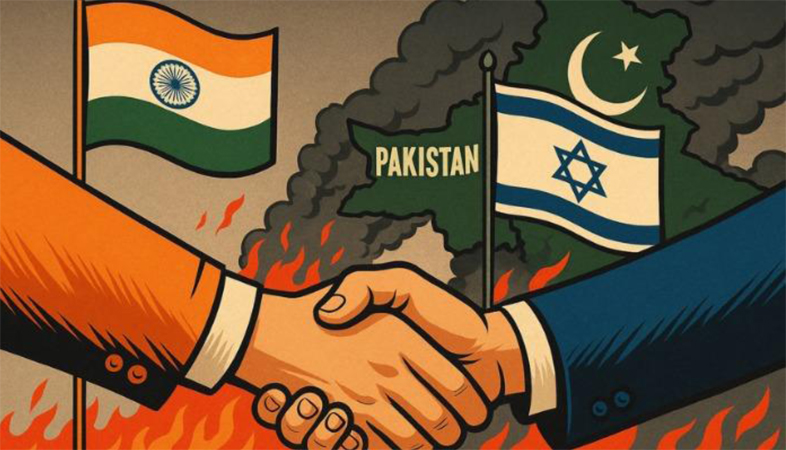
Detailed dossiers shared with the UN and bilateral partners (including China, Russia, and the US) provide evidence of external funding and logistical support aimed at sabotaging the China-Pakistan Economic Corridor (CPEC).

The UN Security Council (UNSC) itself, in February 2026, issued a statement strongly condemning terrorist attacks in Balochistan, urging member states to cooperate with Pakistan in holding the sponsors of these groups accountable.

This international consensus reinforces the view that Pakistan’s security presence is a proportionate response to an armed, externally-aided insurgency.
Final Words

The allegations presented in Geneva by Ms. Perez represent a one-sided interpretation of a complex security environment. By ignoring the thousands of Pakistani civilians and security personnel killed by proscribed groups, such statements lack the constructive dialogue the UN claims to value.

Pakistan remains committed to the rule of law and human rights. However, it asserts that human rights cannot be used as a shield for those seeking to dismantle the state through violence. For lasting peace in Balochistan, the international community must support Pakistan’s efforts to combat foreign-funded terrorism while recognizing the legitimacy of its sovereign judicial and security frameworks.