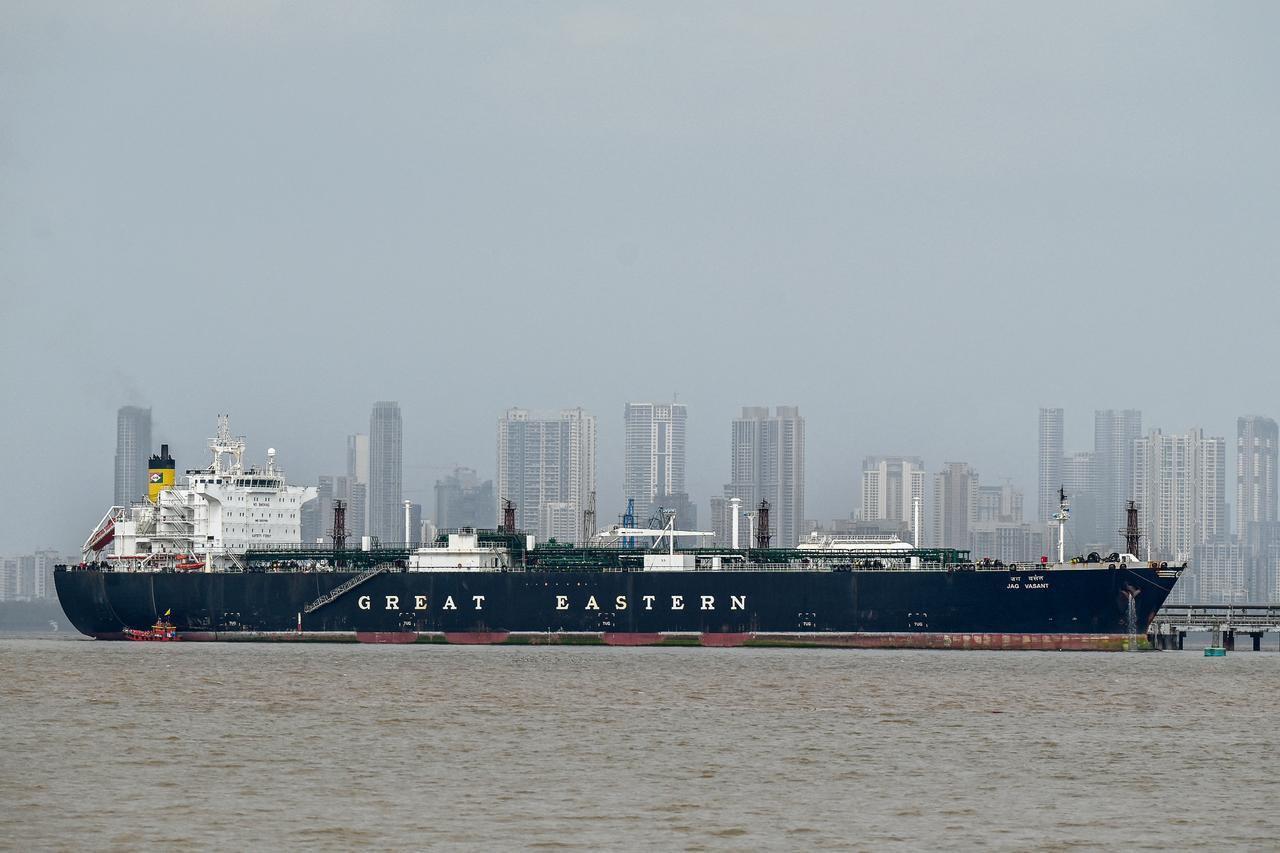
Authorities in Iran have allowed vessels carrying essential goods to reach its ports through the strategically vital Strait of Hormuz, easing restrictions imposed during escalating regional tensions. The decision permits cargo ships transporting critical supplies to continue operations while broader maritime restrictions remain in place amid the ongoing confrontation.
Read more : Trump warns Iran of strikes if Strait of Hormuz blocked
According to information, Iranian authorities issued guidance requiring ships bound for Iranian ports to coordinate closely with officials before passing through the waterway. The directive also instructed vessels currently positioned in the Gulf of Oman to follow established maritime protocols to safely transit toward Iranian harbours.
However, the partial reopening comes after Iran effectively restricted traffic in the Strait of Hormuz in response to military actions by the United States and Israel that began on February 28. The narrow waterway handles nearly one-fifth of the world’s oil shipments, making any disruption a major concern for global energy markets and international trade routes.
Read more : Global fears rise as Hormuz tensions escalate between United …
Meanwhile, tensions have intensified after Donald Trump issued a sharp warning to Tehran, saying the country has only 48 hours to reach an agreement and restore normal maritime traffic. Trump said he had previously given Iranian authorities ten days to reopen the crucial shipping lane before stronger measures would be considered.
In a statement addressing the situation, Trump warned that failure to reach a deal within the deadline could lead to severe consequences for Iran. He argued that maintaining open navigation through the Strait of Hormuz remains essential for global economic stability and international energy supplies.
Despite the heightened rhetoric, Trump also suggested that military incidents would not derail ongoing diplomatic contacts related to the crisis. He described the situation as part of a broader conflict environment but maintained that negotiations could still continue alongside military developments and regional tensions.