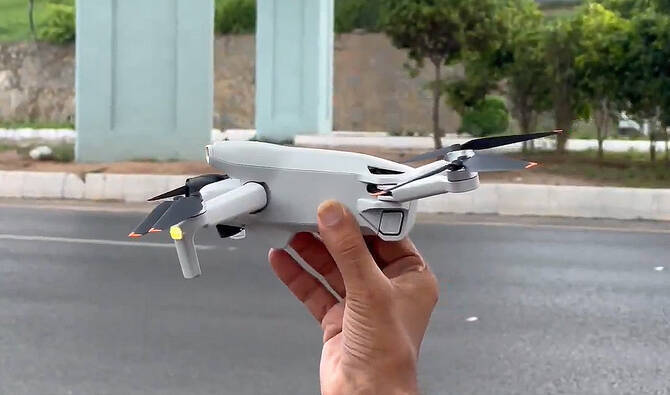
Sindh Police have decided to establish a dedicated aerial surveillance unit to strengthen security monitoring across Sindh, including major cities, highways, railway tracks, and riverine areas. Officials said the initiative aims to improve real-time observation and enhance rapid response to potential threats. The decision reflects a broader shift toward modern policing methods supported by advanced technology and digital tools.
Furthermore, the plan was approved during a high-level meeting chaired by Inspector General of Police Javed Alam Odho, who directed the formation of a special committee of senior officers. This committee will design standard operating procedures, define the operational framework, and develop the organizational structure for the new aerial unit. Authorities emphasized that clear planning is essential before the system becomes fully operational.
Read more : Sindh announces Rs 3 billion relief for small growers
In addition, DIG IT Imran Yaqub briefed participants about existing aerial monitoring systems already in use within the police department. He highlighted the role of drones, modern surveillance equipment, and specialized training programs required to operate such technology effectively. Officials noted that integrating these tools would significantly improve situational awareness in both urban and remote regions.
Moreover, Inspector General Javed Alam Odho stressed that aerial and digital surveillance has become a critical component of modern law enforcement strategies. He stated that adopting advanced monitoring systems would improve efficiency, increase transparency, and strengthen public trust in policing institutions. According to him, technology-driven policing is essential for addressing evolving security challenges in a fast-growing province.
Read more : Sindh sets new closing time for shops and malls under its austerity …
At the same time, officials explained that the proposed aerial surveillance system will help identify suspicious activities in real time and enable swift action by law enforcement teams. The system is expected to be particularly useful in sensitive areas where ground access is limited or delayed. Authorities believe this capability will significantly improve crime prevention and emergency response operations.
Overall, the initiative is also expected to enhance traffic management, assist in crowd control, and provide better protection for citizens and property across Sindh. Policymakers believe that integrating aerial surveillance into policing will modernize security operations and improve overall public safety. The project marks a significant step toward building a more responsive and technology-enabled law enforcement system.