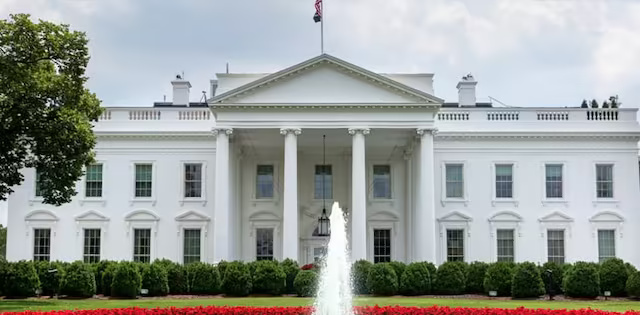
The White House has informed the US Congress that the conflict with Iran has officially ended, marking a significant development in the ongoing tensions between the two countries.
Read More: US President Hints at Renewed Strikes on Iran Conflict
According to a White House spokesperson, military operations in the Middle East involving US forces have reached a conclusion, despite the continued presence of American troops in the region. The statement was issued as part of a required update to Congress under war powers reporting rules.
THIS IS BIG 🚨
Donald Trump has formally informed Congress that U.S. military operations against Iran have ended.
The White House says a ceasefire reached on April 7 stopped all combat activity.
This move avoids the War Powers deadline but any new conflict would restart the… pic.twitter.com/oekiPogbTv
— America War News (@Americalives_) May 1, 2026
Former President Donald Trump told lawmakers that “the war is over,” referencing a ceasefire that he said has been extended indefinitely. He noted that no direct exchange of fire between US and Iranian forces has taken place since early April 2026.
However, the White House explanation has sparked debate in Washington, with critics questioning whether the legal requirements under the 1973 War Powers Resolution have been properly met. The law requires the president to withdraw US forces within 60 days of military engagement unless Congress authorises continued action.
In a formal letter, the administration argued that the conflict timeline had reached its legal limit and that military activity must now pause unless further approval is granted. Officials also suggested that the ceasefire has effectively halted the countdown under the war powers framework.
The announcement comes amid ongoing political tensions in the US, with lawmakers divided over the legality and scope of continued military presence in the Middle East. Some members of Congress argue that operations have not truly ended, pointing to continued naval activity and troop deployments in the region.
The Pentagon confirmed that US forces remain on alert and could resume operations if diplomatic efforts fail. Approximately 50,000 American troops are still stationed across the Middle East.
Iranian-US negotiations remain stalled, although both sides have maintained indirect communication. Analysts say the situation reflects a fragile pause rather than a fully resolved conflict.
Read More: White House clarifies Iran ceasefire timeline
The development has intensified debate in Washington over executive war powers and congressional oversight of foreign military engagements.