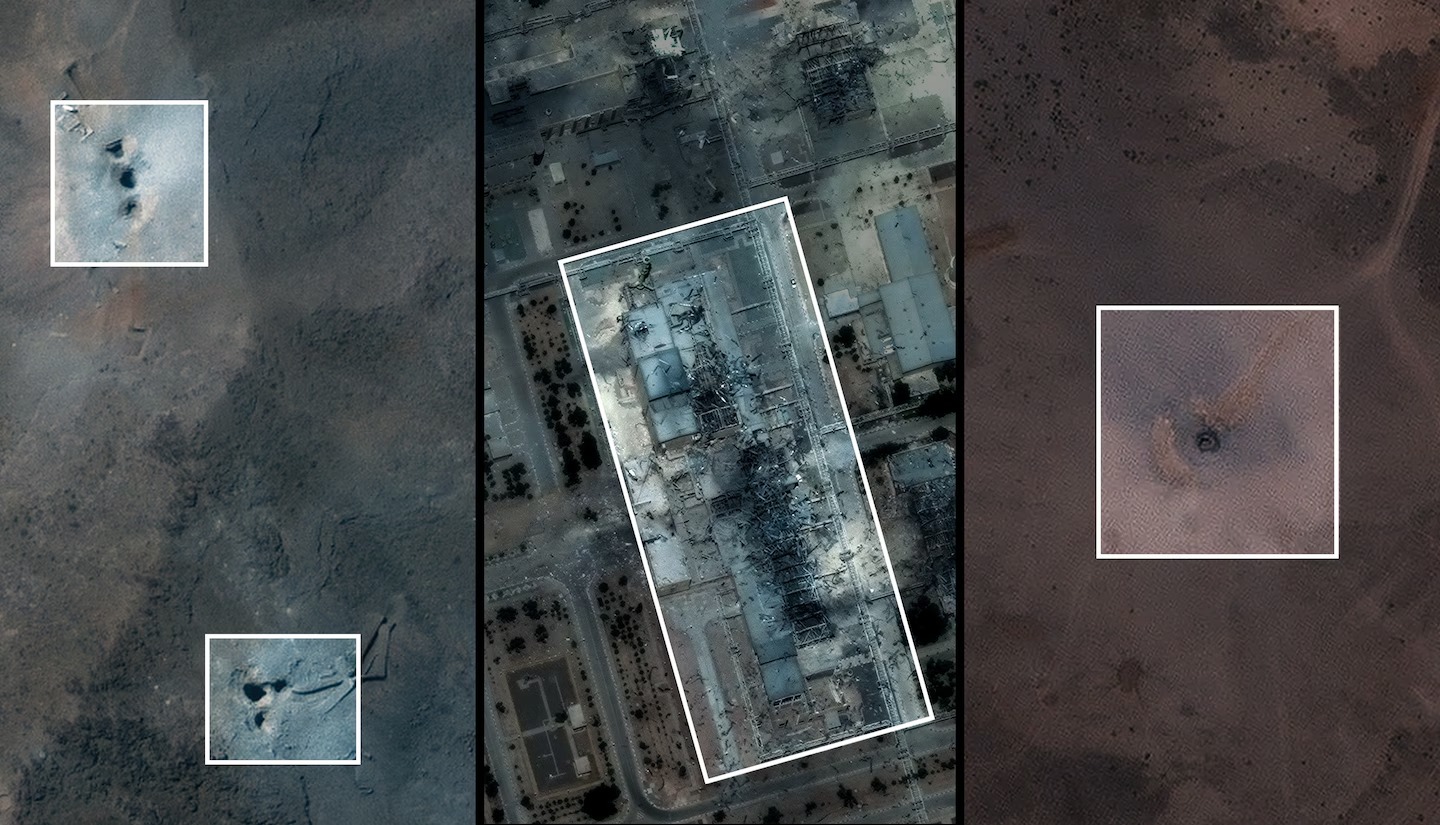
The Iran war began on February 28, 2026, when the United States and Israel launched coordinated strikes that martyred Iran’s supreme leader along with several senior military officials. Iranian authorities also reported that an elementary school in southern Iran was struck during the opening attacks, killing at least 168 children and 14 teachers. Consequently, the conflict immediately triggered regional instability, widespread destruction and fears of a broader Middle East war.
Iran responded quickly with retaliatory strikes against Israel, while tensions rapidly expanded across the region during the opening days of the conflict. Meanwhile, the war caused the first reported American military casualties and raised global alarm over possible disruption in the Strait of Hormuz. Oil traders feared Iran could block the crucial waterway, which handles nearly 20 percent of the world’s oil supply, causing markets to react sharply.
Read more : US, Iran to announce draft of peace deal within 24 hours
As fighting intensified in March, Israel reportedly targeted several strategic Iranian sites, including oil storage facilities around Tehran that sent massive smoke clouds across the capital city. At the same time, reports emerged that the CIA was supporting Kurdish groups in northern Iraq to increase pressure on Tehran internally. Furthermore, Israel continued eliminating senior Iranian officials, including security chief Ali Larijani, demonstrating its deep intelligence reach inside Iran.
The conflict also produced severe economic consequences as oil prices surged close to 122 dollars per barrel during the height of the Strait of Hormuz crisis. Global stock markets suffered heavy losses, with Israel’s market falling nearly 35 percent while major American indexes lost trillions of dollars within days. Pakistan, Japan and the United Kingdom also faced sharp market declines as fears over energy supply disruptions spread worldwide.
Read more : CDF Asim Munir’s mediation pushes Iran deal closer
Meanwhile, diplomatic efforts slowly gained momentum through Pakistani mediation as senior Iranian and American officials prepared for indirect talks in Islamabad during April. Pakistan’s military leadership and diplomats played an increasingly important role by hosting discussions involving Iranian negotiators and senior US representatives. In addition, tensions continued over the US naval blockade near the Strait of Hormuz and the seizure of an Iranian cargo vessel carrying Pakistani nationals.
By May, diplomatic negotiations appeared closer to producing a ceasefire despite continuing threats, military strikes and uncertainty surrounding the region’s future stability. Iran preserved much of its missile capability, enriched uranium stockpile and regional influence despite weeks of attacks targeting nuclear and military infrastructure. Consequently, the war reshaped political alliances, damaged global markets and placed the Strait of Hormuz at the centre of one of the world’s most dangerous conflicts.