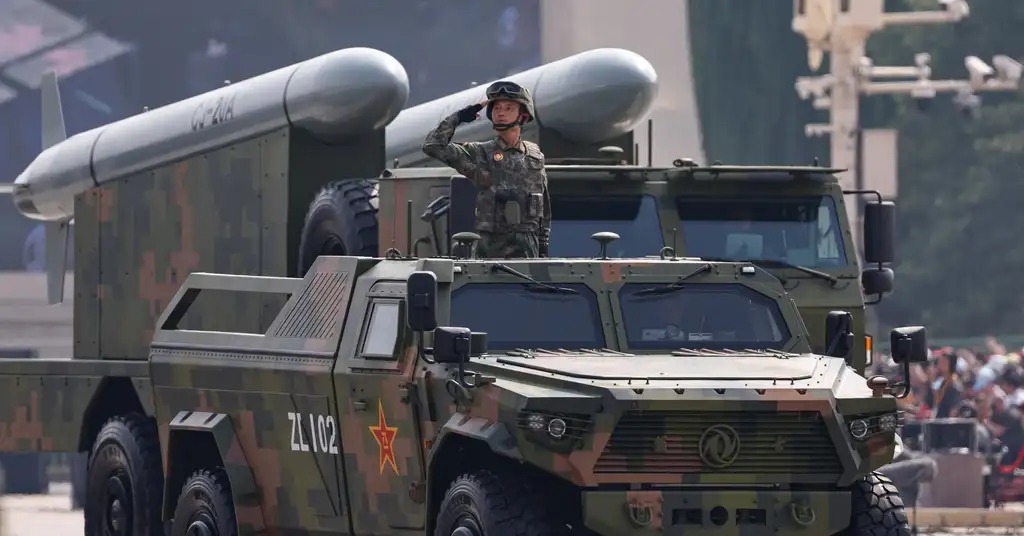
Indo-Pacific countries are strengthening defence cooperation as China’s military power grows and questions rise over long-term US focus in the region. Leaders and defence officials gathered at a major security forum in Singapore to discuss rising tensions and shifting alliances across Asia.
At the Shangri-La Dialogue, US Defense Secretary Pete Hegseth urged regional partners to increase their defence responsibilities and reduce reliance on Washington. He said the United States remains committed to the Indo-Pacific, even as it manages other global conflicts, including tensions in the Middle East.
Read more : Whatever Happened to the Indo-Pacific Region?
Meanwhile, several regional defence leaders expressed both concern and confidence regarding US engagement. Japanese officials said Washington’s commitment remains steady, while acknowledging that some countries still question its long-term priorities amid competing global security challenges.
In addition, countries such as the Philippines, Japan, Singapore and Canada announced deeper defence cooperation and joint training initiatives. Officials said these partnerships aim to strengthen deterrence, improve readiness and expand coordination beyond traditional alliances with the United States.
Read more : Rubio heads to Malaysia for first Indo-Pacific visit as US eyes …
Furthermore, Japan positioned itself as a central hub for regional security cooperation by expanding defence exports and revising long-standing restrictions. It now seeks to supply advanced military equipment and strengthen partnerships with countries facing shared security concerns in the Indo-Pacific region.
At the same time, defence officials from Australia, New Zealand and other partners emphasized the importance of flexible coalitions and stronger interoperability. They said regional cooperation is increasing at a faster pace, while US alliances remain essential for maintaining long-term stability and balance in the Indo-Pacific.