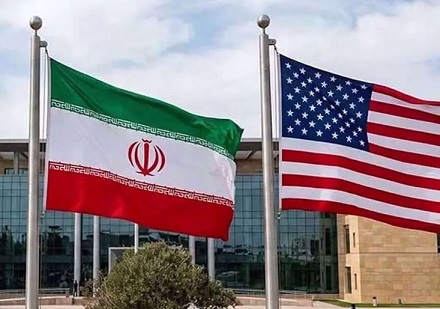
Tensions between the United States and Iran escalated sharply on Saturday after US forces struck Iranian coastal surveillance sites following the interception of drones launched toward the strategically important Strait of Hormuz.
Read More: Iran fires warning missiles at US warships
According to the US military, four Iranian drones were shot down after being detected near the vital shipping route. The US Central Command later announced strikes on Iranian radar and surveillance facilities located on Qeshm Island and in the Goruk area, saying the sites were linked to monitoring activities in the strait.
— U.S. Central Command (@CENTCOM) June 6, 2026
An American official told Reuters that the drones were believed to be targeting maritime traffic operating in the region. The latest exchange marks another escalation in the conflict that has continued for more than three months despite ongoing diplomatic efforts.
Iran’s Islamic Revolutionary Guard Corps said it had responded by launching missiles at US military bases in the region and targeting four tankers attempting to cross the Strait of Hormuz without authorization. Tehran also claimed it had fired ballistic missiles at US facilities in Bahrain and Kuwait.
Iran’s Islamic Revolutionary Guard Corps (IRGC) warned that the United States would bear responsibility for the consequences of a complete closure of the Strait of Hormuz if what it described as continued US “mischief” persists. The statement came amid escalating tensions in the… pic.twitter.com/tN7dqRBaxx
— IndiaToday (@IndiaToday) June 6, 2026
However, the US military said six missiles were intercepted and another failed to reach its target. Meanwhile, Kuwaiti state media reported that air defence systems were activated against missile and drone threats, while authorities in Bahrain sounded warning sirens and advised residents to seek shelter.
The latest developments come as Washington and Tehran continue indirect negotiations aimed at securing an interim agreement to reduce hostilities. Key issues under discussion reportedly include sanctions relief, access to Iranian oil revenues, maritime access and broader concerns surrounding Iran’s nuclear programme.
The conflict has disrupted shipping through the Strait of Hormuz, a crucial global energy corridor through which a significant share of the world’s oil supplies traditionally passes. Rising oil prices and supply chain disruptions have increased economic pressure globally, while humanitarian organisations have warned of growing risks to food security due to higher transport and fuel costs.
Read More: Iran asserts control over strait of Hormuz navigation rules
Despite diplomatic contacts, prospects for a breakthrough remain uncertain as military tensions continue across the region.