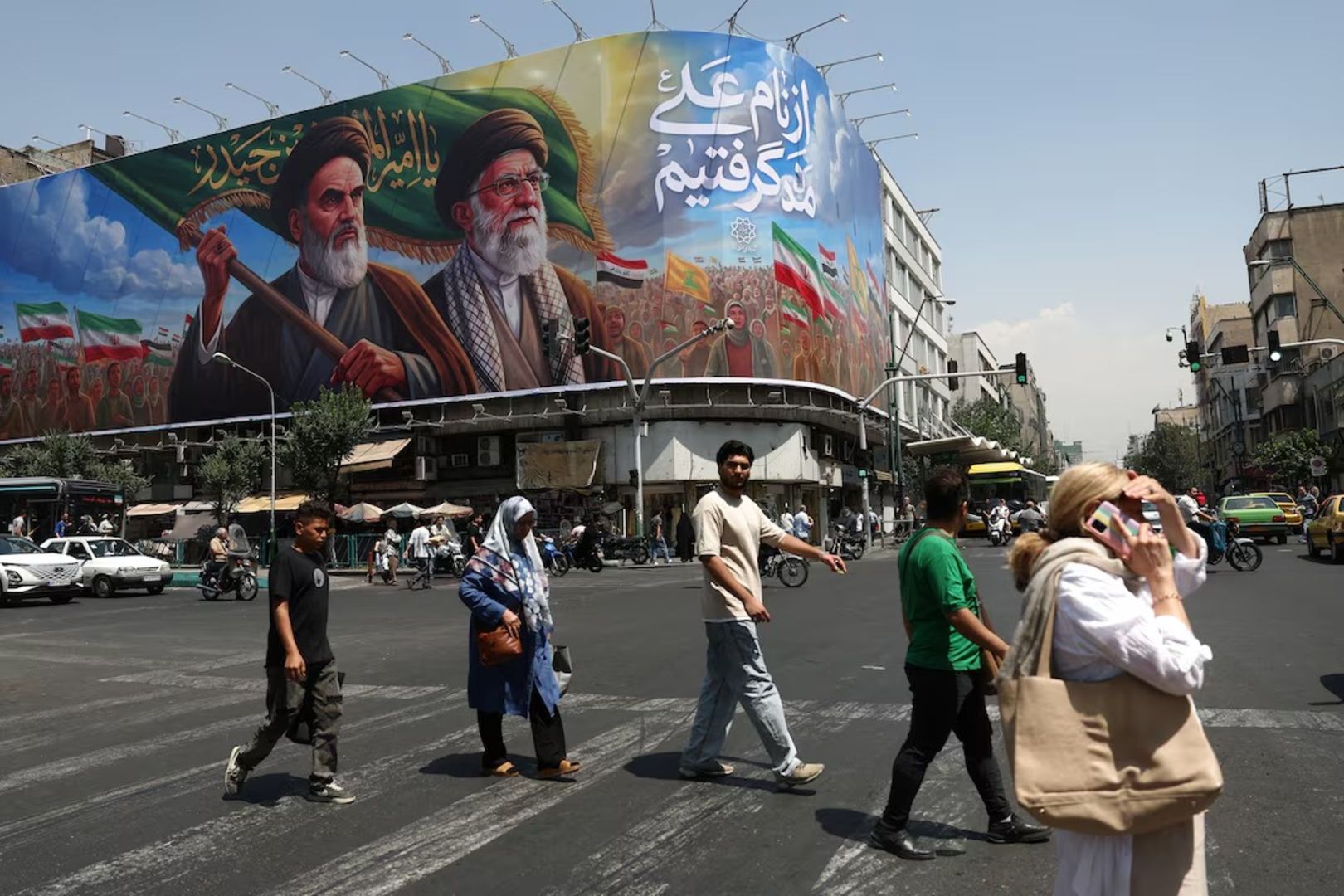
The United States is reportedly considering a plan to use Iranian assets to help fund reconstruction and repair work in Gulf countries affected by recent attacks linked to the ongoing regional conflict. The proposal comes at a time when diplomatic efforts remain fragile and military tensions continue to test a tentative ceasefire.
According to sources familiar with the matter, US Treasury officials have been directed to assess the financial damage caused to Gulf allies and examine whether Iranian assets could be used to cover rebuilding costs. The review may also include potential compensation for any future destruction resulting from continued hostilities.
Read more : US lawmakers warn intelligence gap risk ahead surveillance deadline
Meanwhile, peace negotiations between Washington and Tehran appear to have slowed despite ongoing diplomatic contacts. Pakistan’s Interior Minister Mohsin Naqvi recently visited Tehran carrying a message from Pakistan’s leadership, reflecting continued efforts to encourage dialogue and reduce regional tensions.
Military activity also intensified over the weekend. US forces reported intercepting additional Iranian drones near the Strait of Hormuz and carried out strikes on selected Iranian radar facilities. In response, Iran claimed retaliatory missile attacks against US-linked targets in Kuwait and Bahrain, further raising regional security concerns.
Read more : US strikes Iranian sites after Iran launches drones, in latest Gulf flare …
The conflict continues to place pressure on global energy markets because the Strait of Hormuz remains one of the world’s most important oil transit routes. Any disruption in the waterway threatens international energy supplies, transportation networks, and broader economic stability.
Furthermore, rising oil prices and inflation have increased political pressure for a negotiated settlement. While discussions on an interim agreement continue, major issues including sanctions relief, frozen assets, maritime security, and Iran’s nuclear programme remain unresolved, leaving prospects for a lasting breakthrough uncertain.