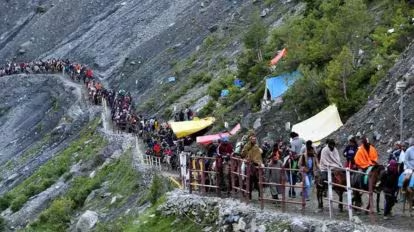
SRINAGAR: India concluded its annual Amarnath Yatra in Indian Illegally Occupied Jammu and Kashmir (IIOJK) with over 415,000 Hindu pilgrims taking part in the month-long journey. The pilgrimage, which began on July 3, was officially set to end on August 9. However, heavy rains damaged mountain paths, forcing organizers to call it off earlier than planned.
Most pilgrims began their trek from near Pahalgam, not far from the site of a deadly attack in April that left 26 tourists dead. The Indian government blamed Pakistan for the assault, which Islamabad firmly denied. The accusation sparked a sharp diplomatic crisis, escalating into four days of deadly clashes between the two nuclear-armed neighbors in May.
The violence marked the worst India-Pakistan standoff since the 1999 Kargil conflict, killing more than 70 people through missile strikes, drone attacks, and artillery fire. A ceasefire was reached on May 10, but tensions remain high in the disputed Himalayan region. Officials believe the pilgrimage served as both a religious and symbolic event for India amid regional unrest.
Despite tight security and efforts to attract more participants, this year’s turnout fell short of the half a million pilgrims who attended in 2024. Authorities had deployed 45,000 troops along the route, backed by high-tech surveillance tools, to ensure the safety of pilgrims heading to the Amarnath cave—considered sacred to the Hindu god Shiva.
Even after the main event wrapped up, Indian forces remained active in the area. On Sunday, they engaged in a third day of clashes with armed fighters in Kulgam, a district distant from the pilgrimage route. A senior police official confirmed the killing of two individuals during the ongoing operation, highlighting the region’s persistent unrest.
Officials say that while a few remaining pilgrims may still attempt the trek, the harsh weather and heightened tensions have dampened this year’s numbers. The early end to the Yatra reflects both the challenges of organizing such events in conflict zones and the lasting impact of geopolitical disputes.