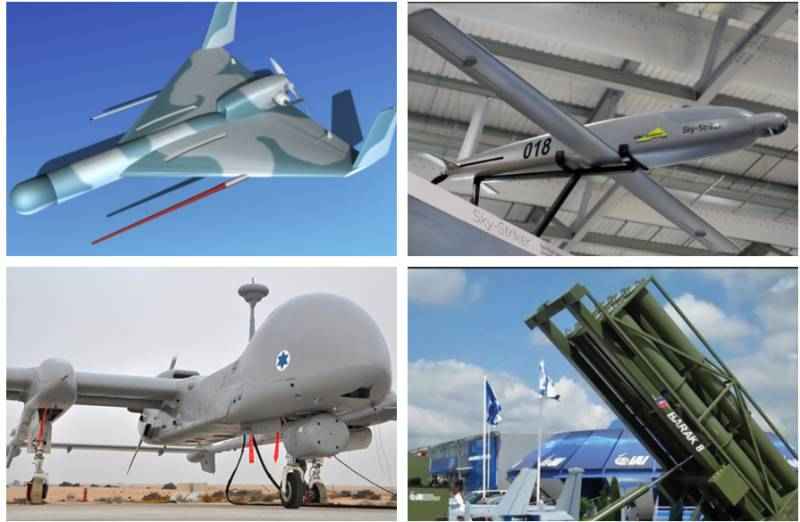
Israeli Prime Minister Benjamin Netanyahu has confirmed that India used advanced Israeli weapons during Operation Sindoor, including Barak-8 missiles, HARPY drones, SkyStriker munitions, and Heron reconnaissance UAVs. Netanyahu praised the performance of these systems, highlighting that Israeli weapons are “battle-tested” and have a strong record in field operations. He described the cooperation with India as being built on a “solid foundation” and expressed satisfaction with their effectiveness during the conflict.
During the operation, India deployed these Israeli-origin systems alongside an array of domestically manufactured weapons to repel waves of Pakistani missiles. The Barak-8 missile system and HARPY drones played crucial roles in air defence and targeted strikes, while the Russian-made S-400 missile defence system was also used. This intense military engagement lasted nearly 100 hours, starting on May 7, and demonstrated India’s growing reliance on a combination of foreign and domestic defence technology.
Israel also voiced strong political support for India during the operation. Kobbi Shoshani, Israel’s Consul General in Mumbai, called the strikes “an action of self-defence” and said it was essential to send a strong message to terrorists. This stance underscored the deepening strategic and military partnership between the two nations, which has remained steady despite ongoing conflicts in other regions involving Israel.

India’s military imports from Israel over the last decade have totalled approximately $2.9 billion, covering radars, drones, missiles, and other advanced systems. This makes Israel the fourth-largest supplier of weapons to India, behind Russia, France, and the United States. Notably, this defence trade has continued without major disruption despite Israel’s own security challenges, ensuring a consistent flow of equipment to New Delhi.
However, India is also working to reduce its dependence on foreign arms by ramping up domestic production under Prime Minister Narendra Modi’s ‘Aatmanirbhar Bharat’ (self-reliant India) initiative. A key part of this strategy includes developing an indigenous fifth-generation fighter jet, which will feature stealth technology and internal weapons bays similar to the US F-22 and F-35. This effort aims to strengthen India’s defence capabilities while boosting its manufacturing sector.
The confirmation of Israel’s role in Operation Sindoor reflects not only a robust defence relationship but also the shifting nature of modern warfare, where international partnerships and technology-sharing are crucial to securing national interests.