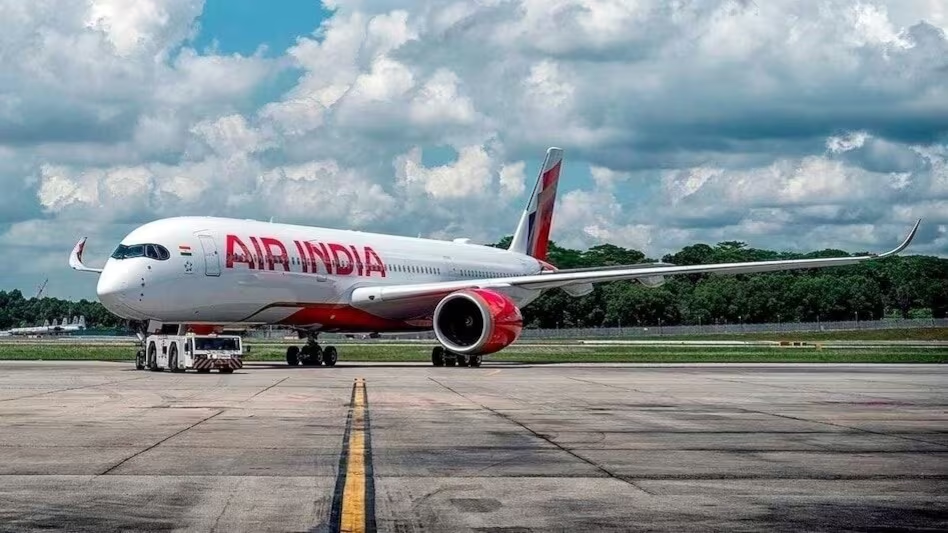
Air India will suspend its direct flights between New Delhi and Washington, DC, starting September 1. The airline cited a shortage of aircraft and the ongoing closure of Pakistani airspace as the main reasons. These factors have increased the complexity of long-haul operations and forced the airline to reroute flights. Air India also faces pressure due to a deadly crash in June, which killed 260 people in Ahmedabad. This latest move adds to the airline’s growing list of operational setbacks.
The airline is currently upgrading its older Boeing planes under a $400 million retrofit program. As a result, fewer aircraft are available for long-distance routes. The continued ban on flying over Pakistan has made certain routes longer and more costly. According to earlier estimates, the airspace closure may cost Air India up to $600 million in 12 months. These combined issues are making it harder for the airline to maintain direct international connections.
Tensions between India and Pakistan continue to affect regional aviation. Both countries shut down each other’s airspace after a fatal attack in Indian-occupied Kashmir. India blamed Pakistan for the incident, which Islamabad denied. The attack led to the worst cross-border conflict in years. Consequently, commercial flights have faced ongoing restrictions and longer travel paths.
To support affected travelers, Air India will offer alternate routes to Washington, DC, via layovers in other U.S. cities. These include New York, Newark, Chicago, and San Francisco. The airline’s interline partners—Alaska Airlines, United Airlines, and Delta Air Lines—will help facilitate connections. This ensures that passengers still have access to the U.S. capital, though with less convenience.
Air India’s decision reflects growing operational challenges amid geopolitical tensions and internal upgrades. The suspension of this key route also raises concerns about the airline’s international competitiveness. With regulatory scrutiny increasing after the June crash, Air India now faces mounting pressure to stabilize its global network. Passengers may continue to see adjustments until the airline fully recovers operational strength.