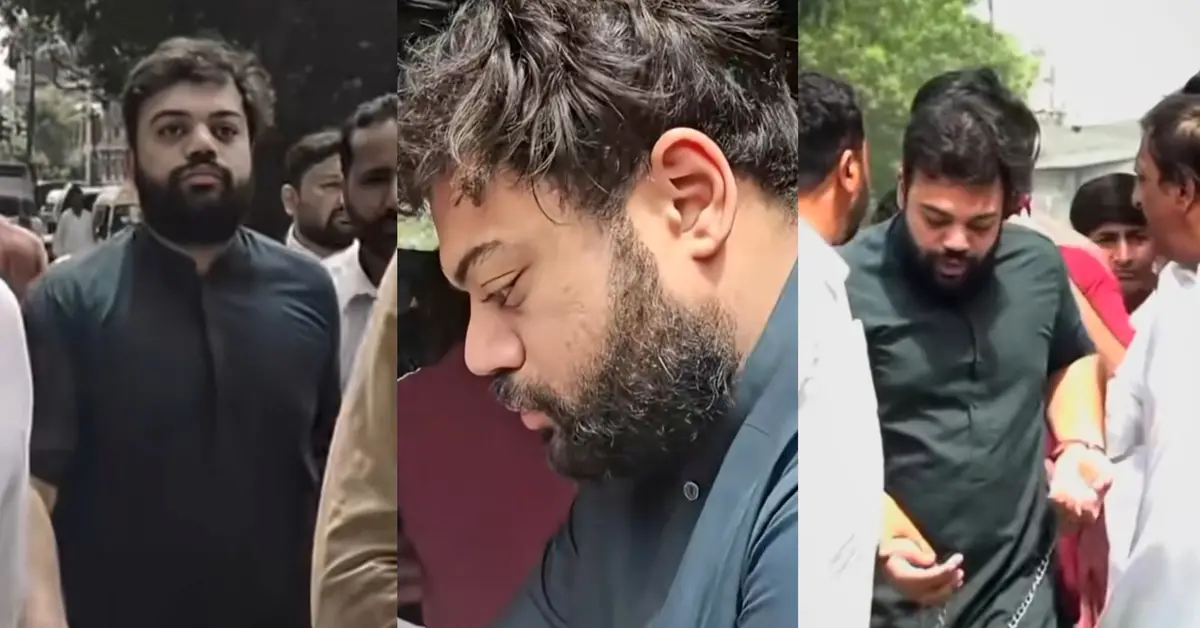
Pakistani YouTuber Saad Ur Rehman, known as Ducky Bhai, has caused major controversy after being arrested by the National Cyber Crime Investigation Agency (NCCIA) at Allama Iqbal International Airport. He was taken into custody on charges of promoting a gambling app through his YouTube vlogs, which allegedly led many followers to suffer financial losses.
Authorities have registered a case against him under several sections of cybercrime laws, claiming his content encouraged illegal betting activities. Currently, Ducky Bhai is under physical remand, which was approved on September 3, 2025. As videos of him in handcuffs spread online, public opinion remains sharply divided, fueling intense debate across all major social media platforms.
While critics believe his content crosses ethical lines, fans are standing by his side, demanding a fair investigation. Many argue that his videos were meant for entertainment and that the responsibility for financial decisions lies with the viewers themselves. Others, however, say influencers should be more mindful of the impact they have on their audiences.
Some users accuse Ducky Bhai of promoting a flashy lifestyle that encourages the youth to neglect their studies and chase online fame instead. They claim his videos often present an unrealistic view of success, creating feelings of insecurity among viewers. As a result, many believe his influence is negatively shaping the goals of young people in Pakistan.
Despite the backlash, Ducky Bhai’s loyal supporters continue to defend him online, stating that the situation is being blown out of proportion. They insist he deserves a chance to explain his side of the story and urge others not to jump to conclusions. Meanwhile, the case has sparked a wider conversation about digital responsibility and content regulation in the influencer industry.
The incident highlights the growing tension between creative freedom and legal accountability in the online world. As the investigation continues, the debate over the role of social media personalities and their impact on young audiences is far from over.