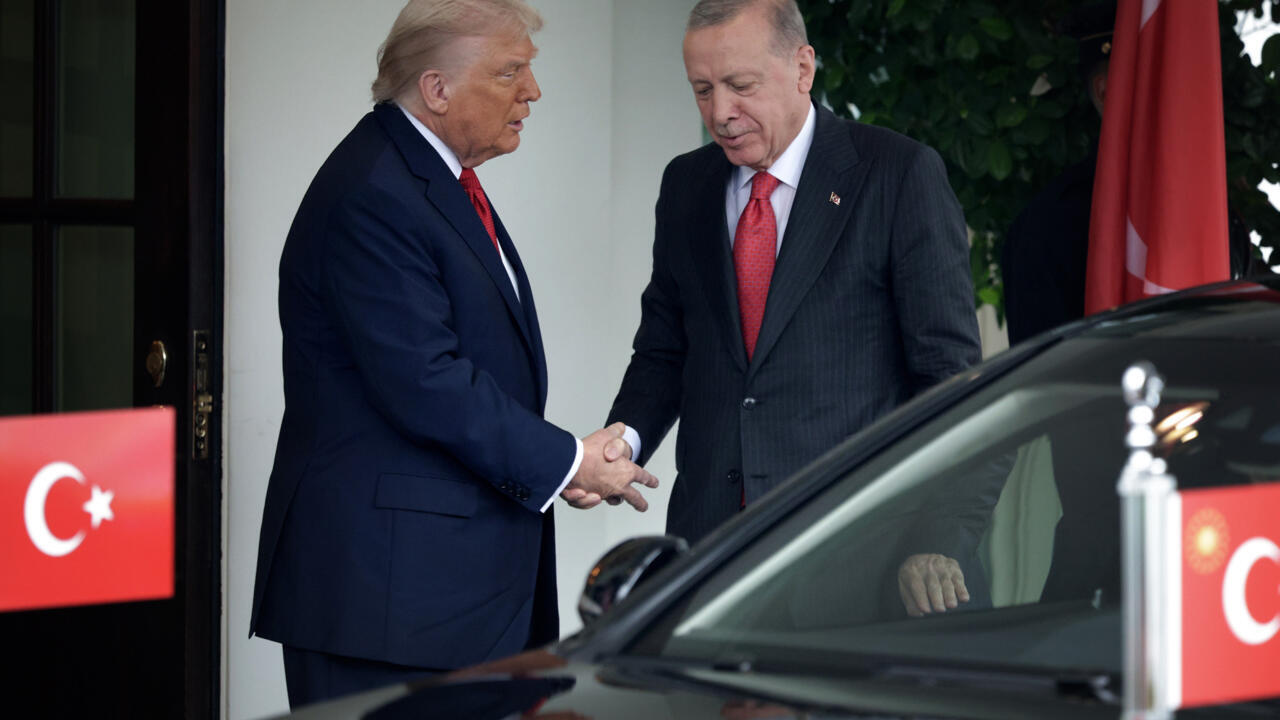
Turkey has officially joined the ongoing indirect peace talks in Egypt between Israel and Hamas, aiming to use its longstanding relationship with the Palestinian movement to help end the Gaza war. President Recep Tayyip Erdogan revealed that U.S. President Donald Trump specifically requested Ankara’s involvement to persuade Hamas to accept the American-backed peace plan introduced last month. Erdogan, who has governed Turkey since 2003, is known for his strong Islamic-leaning policies and frequent criticism of Israel’s military actions in Gaza, which he has labeled as “genocide.”
Read more : /erdogan-says-peace-burden-should-not-be-on-hamas-alone/
A Turkish delegation led by intelligence chief Ibrahim Kalin joined negotiators in Egypt’s Sharm El-Sheikh, where discussions with U.S. and Qatari officials entered their third day. This follows earlier meetings in Doha, where Kalin held talks with Egyptian and Qatari representatives as part of efforts to refine Trump’s 20-point peace proposal. Despite Hamas being designated as a terrorist group by the United States, Israel, and the European Union, Erdogan has consistently described it as “a liberation movement” and maintained close diplomatic ties, often hosting its leaders in Turkey.
Turkey’s connection with Hamas dates back over a decade, notably in 2011 when Ankara helped broker a deal for the release of captured Israeli soldier Gilad Shalit. Experts say Erdogan’s unwavering support for Hamas is rooted in his belief that the group’s resistance mirrors Turkey’s own historical struggles against foreign powers. However, Erdogan also reportedly urged Hamas leaders to leave Turkey following the October 7, 2023 attacks, as Ankara sought to repair its strained ties with Israel. Those attacks killed 1,219 people in Israel and led to a devastating Israeli response that has claimed over 67,000 lives in Gaza.
Read more : Egypt Invites Trump to Gaza Ceasefire Signing Ceremony
Political analysts in Turkey believe the country’s mediation role reflects a blend of ideology and strategy. Mustafa Yetim, an international relations expert, noted that Turkey views Hamas’s resistance as legitimate for the Palestinian people and considers Israel’s actions as unjust. Meanwhile, researcher Talha Ismail Duman highlighted that many Hamas officials reside in Turkey and frequently meet with Turkish political and security leaders, showcasing Ankara’s ongoing influence in shaping the group’s diplomatic stance.
Although Turkey’s influence over Hamas has diminished in recent years due to the rise of leaders like Yahya Sinwar and closer Hamas-Iran ties, experts believe Ankara still holds valuable leverage. By maintaining a delicate balance in its relationships with both Iran and the West, Turkey positions itself as a key mediator capable of bridging opposing sides. As peace talks continue in Egypt, Ankara hopes its participation will not only strengthen regional stability but also reaffirm its role as a central player in Middle Eastern diplomacy.