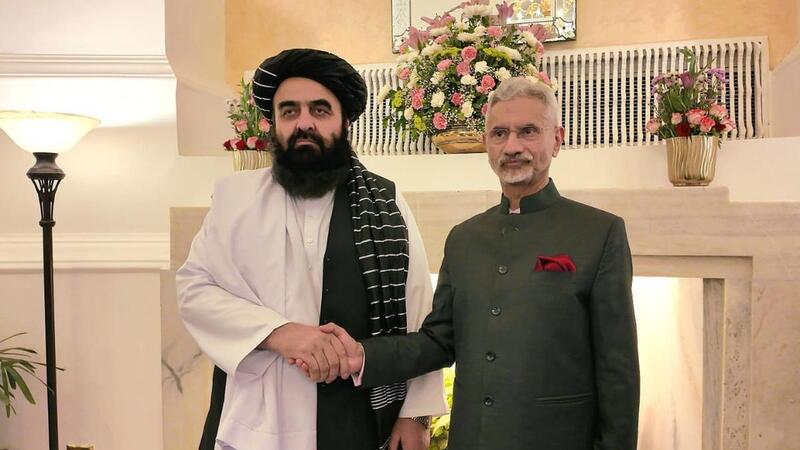
India announced it will reopen its embassy in Kabul, four years after it closed following the Taliban takeover in 2021. The move marks a significant step in expanding diplomatic relations with Afghanistan’s Taliban government. Indian Foreign Minister Subrahmanyam Jaishankar confirmed the upgrade of India’s current technical mission in Kabul to a full embassy during talks with Afghan Taliban Foreign Minister Amir Khan Muttaqi.
India had shut its embassy after the U.S.-led NATO withdrawal and Taliban’s return to power but maintained a small mission to support trade and humanitarian efforts. While India does not formally recognize the Taliban government, this reopening shows a commitment to Afghanistan’s sovereignty and regional stability. Other countries like China, Russia, Iran, Pakistan, and Turkey already have embassies in Kabul, although Russia is the only one to officially recognize the Taliban.
Read more:Afghan FM heads for first visit to India to foster ties abroad
Jaishankar emphasized that closer cooperation would aid Afghanistan’s national development and regional resilience. Muttaqi’s visit to India is the first by a Taliban official since 2021, aiming to strengthen political and economic ties. The trip was enabled by a temporary U.N. Security Council waiver that allows Muttaqi, under sanctions, to travel for diplomatic talks.
Discussions between India and Afghanistan are expected to cover political, economic, and trade issues. Despite this diplomatic progress, Western nations remain cautious due to the Taliban’s restrictions on women, which have hindered formal recognition. Analysts view India’s move as part of broader efforts by the Taliban to engage regional powers and secure economic support.
Read more: Four Nations to Discuss Afghanistan’s Future Security Cooperation
India’s decision to reopen its embassy highlights a pragmatic approach to maintaining influence and stability in the region. It also reflects a delicate balance between engaging the Taliban-led government and addressing international concerns about human rights and governance in Afghanistan.