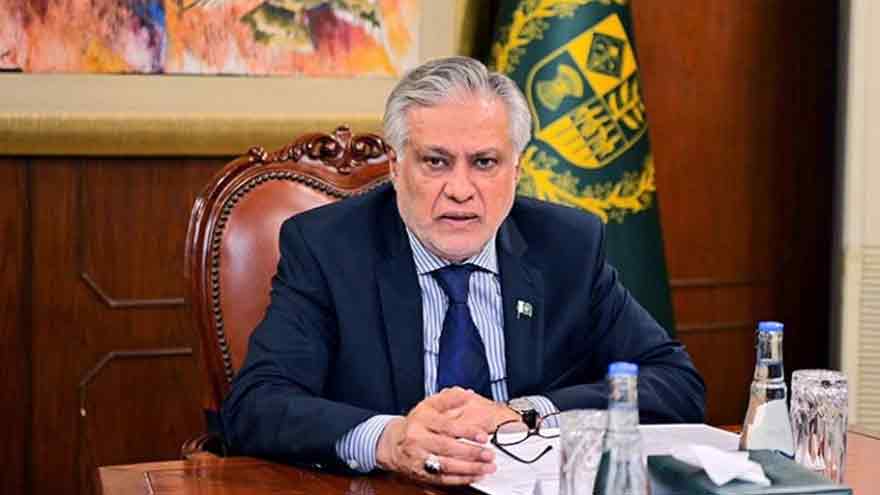
ISLAMABAD: Deputy Prime Minister and Foreign Minister Senator Ishaq Dar on Thursday said Pakistan is ready to become a regional hub for connectivity, facilitating transport links, cross-border trade, and joint investments across South and Central Asia.
Addressing the Regional Transport Ministers’ Conference in Islamabad, themed “Regional Connectivity: Opportunities for the Region,” Dar emphasized that Pakistan aims to turn geography into opportunity by building pathways for inclusive growth and regional cooperation.
The conference, hosted by the Ministry of Communications, was attended by transport ministers from Saudi Arabia, Turkiye, Azerbaijan, Uzbekistan, Kazakhstan, Iran, Belarus, Turkmenistan, Sri Lanka, and the Maldives, along with representatives of the Asian Development Bank (ADB), ECO, IRU, and UNESCAP.
Read More: ICA 2025 Regional Hub Opens in Lahore: Ideas, Innovation and Inclusion Come Together
Highlighting Pakistan’s strategic location, the deputy prime minister said the China-Pakistan Economic Corridor (CPEC) is a catalyst for regional energy, infrastructure, and transport connectivity, linking the region from South to Central Asia. He added that Pakistan’s motorway and highway network connects border crossings to ports in Karachi and Gwadar, enabling faster transit and strengthening the country’s role as a vital trade corridor.
Dar also cited the Uzbekistan-Afghanistan-Pakistan Railway Framework Agreement and the Istanbul-Tehran-Islamabad Road and Rail Corridor as landmark initiatives for regional trade. He noted that Pakistan is an active partner in CASA-1000 and TAP-500 energy projects to promote regional energy security and economic integration.
Read More: How Pakistan Benefited from Trump’s New Diplomacy Rules
Referring to Pakistan’s e-visa facility for citizens of 126 countries, Dar said the government is working to improve banking access, digital trade platforms, and e-port integration to create a seamless, paperless, and efficient trade environment. “These projects are building blocks for regional integration, economic transformation, and long-term peace,” Dar stated, inviting partner countries to align strategies and forge durable partnerships. “Connectivity is about building trust, opportunity, and a shared destiny,” he concluded.