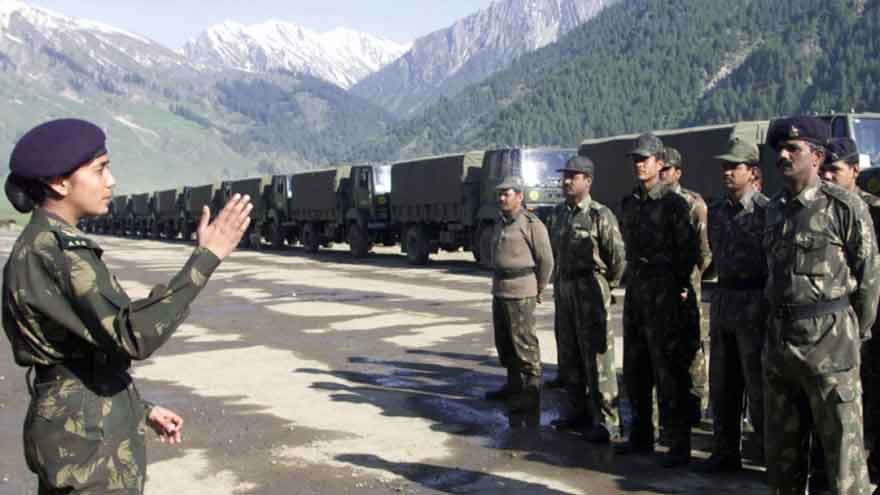
NEW DELHI– The Indian Army, long regarded as a symbol of discipline and national pride, is facing renewed criticism after multiple verified reports exposed a persistent failure to protect women officers from sexual harassment, abuse, and misuse of power over the past decade.
According to judicial and media records between 2015 and 2025, numerous cases across the country highlight a pattern of intimidation, informal inquiries, and institutional cover-ups, calling into question the Army’s internal justice mechanisms.
In the latest case from 2025, a woman Major serving in the 1 Armoured Division in Patiala accused a Lieutenant Colonel of sexual harassment. Rather than following the Sexual Harassment of Women at Workplace (Prevention, Prohibition & Redressal) Act, 2013 (POSH Act), officials reportedly conducted an informal internal probe, bypassing the legally mandated Internal Complaints Committee (ICC) process. Reports indicate that attempts were made to pressure the complainant into withdrawing her complaint.
Read More: World’s silence over rising Indian troops crimes against women in iiojk alarming mushaal
This case echoes a string of incidents across India’s military institutions. In 2015, a Captain in the Signal Corps accused her senior Colonel of misconduct, yet the inquiry was delayed. Between 2021 and 2025, a Major was convicted by a General Court Martial for sexually abusing an 11-year-old domestic worker, only after civilian courts intervened.
Similarly, in Srinagar (2024), a woman Air Force officer accused a Wing Commander of physical and psychological abuse. In Shillong (2024–2025), a Brigadier allegedly harassed a Colonel’s wife, but progress stalled amid police inaction.
Disturbing cases have also emerged from Madhya Pradesh and Odisha, involving group assaults and sexual violence allegedly perpetrated by senior officers. In Chandigarh (2025), a Colonel was dismissed after being found guilty of forged documents and multiple affairs, deepening concerns about moral decline among senior ranks.
Read More: Two women killed in cross-border Indian firing along Working boundary
Experts argue that these cases reveal systemic misuse of authority, weak implementation of the POSH Act, and military laws that shield perpetrators under the guise of discipline and jurisdiction. Internal Complaints Committees, where established, often lack independence, while the Armed Forces (Special Powers) Act (AFSPA) further limits civilian oversight.
Legal observers warn that without meaningful reform, women in uniform will continue to face an environment of fear and silence. “The failure to ensure justice within military structures not only betrays victims—it erodes the Army’s foundational values of honor, integrity, and accountability,” one analyst said.
As calls grow for civilian-led review mechanisms and stronger gender accountability within the armed forces, India’s women soldiers remain on the frontlines of a different battle—against impunity within their own ranks.
Read More: Women recruited in Indian paramilitary force ‘only for sexual pleasure’