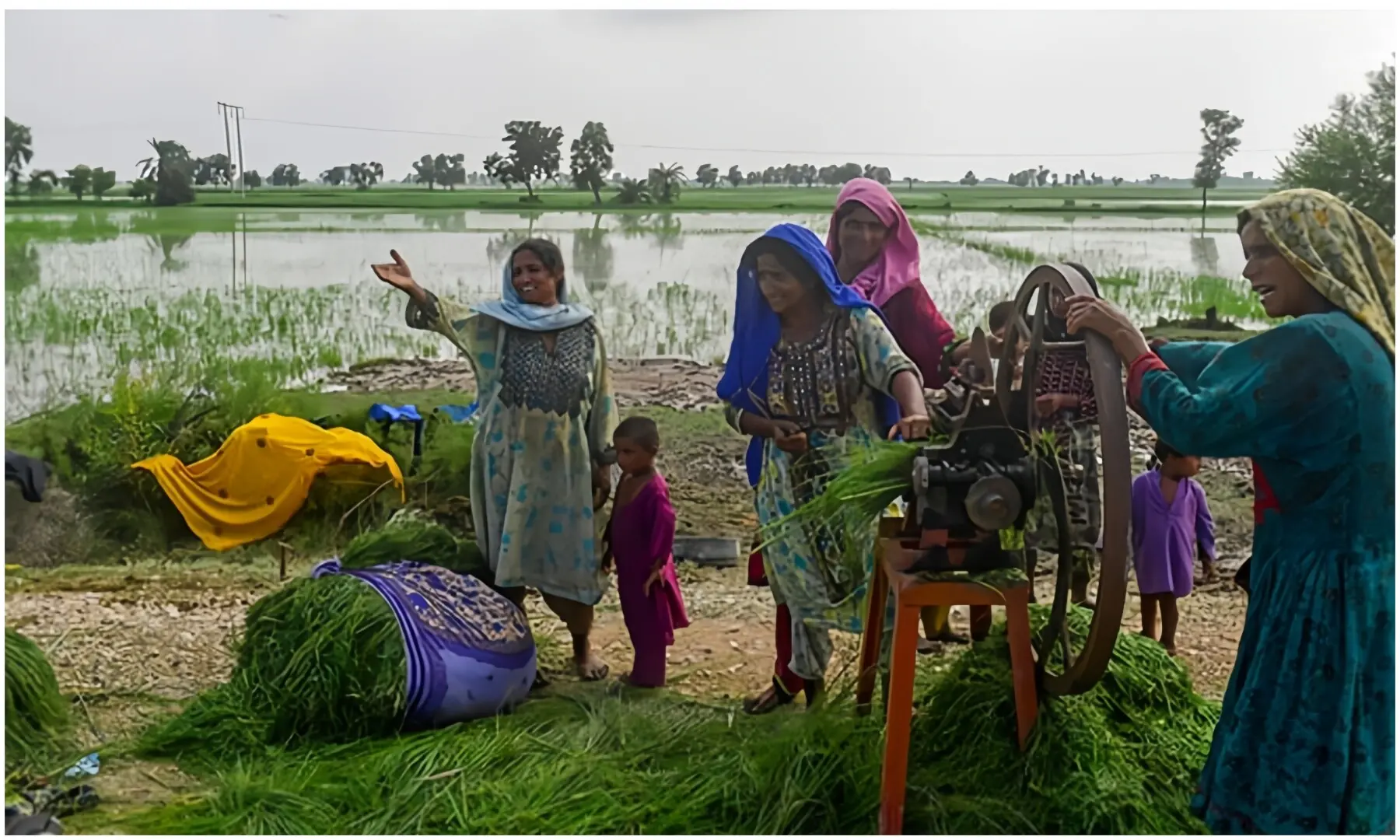
ISLAMABAD: Pakistan’s population growth rate of 2.55 per cent per year—the highest in the region—is putting immense pressure on the country’s resources, with projections showing a population of 385 million by 2050 if trends continue. Experts say the issue is closely linked to the status of women, whose autonomy and well-being remain severely restricted.
Dr Ali Mohammad Mir, Senior Director of the Population Council, highlighted decades of mismanaged population policies, noting that women bear the brunt of high fertility rates through both childbirth and unpaid childcare responsibilities. “Any effective population strategy must place women’s rights and autonomy at the centre,” he said.
Read More: Population Crisis: Pakistan’s Silent Emergency
Women in Pakistan face extreme inequalities in economic participation and financial security. Only 25 per cent of women are employed, and just three per cent own homes, compared to 72 per cent of men. Patriarchal norms and son preference further incentivise high fertility, with data showing women with three sons are far less likely to want additional children than those with three daughters.
View this post on Instagram
Health indicators also reflect gender disparities. Pakistan has high maternal mortality, unsafe abortion rates, low contraceptive usage, and limited reproductive decision-making among women. Only 10 per cent of women reportedly make independent decisions about their health, while contraceptive prevalence stands at 35 per cent, despite a demand of 55 per cent.
View this post on Instagram
Experts argue that empowering women through education, economic opportunities, and healthcare access creates a virtuous cycle—lower fertility rates lead to greater female empowerment, and vice versa. Early marriage, limited decision-making, and gender discrimination must be addressed alongside family planning programs to achieve sustainable population growth.
Read More: Ahsan Iqbal warns: Pakistan’s population headed for 386 million by 2050
While progress has been slow, there are encouraging signs: fertility rates are gradually declining, and more women are accessing education and formal employment. Policymakers are urged to prioritise women-centered approaches to family planning, ensuring that the drive for population stabilization aligns with the promotion of gender equality and women’s empowerment.