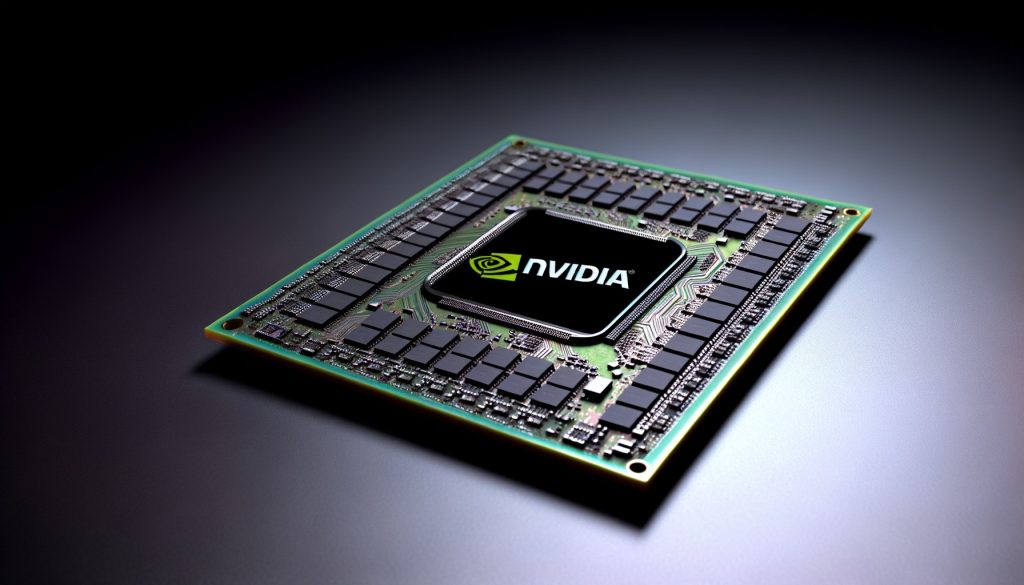
WASHINGTON: US President Donald Trump has reversed the ban on the sale of advanced Nvidia AI chips to China, allowing the tech giant to export its high-end H200 chips under a condition that 15% of its Chinese revenues be paid to the U.S. government.
Read More: Pelosi’s husband scraps Nvidia stock as house eyes chip bill
The move comes after the initial restrictions reportedly spurred the growth of Chinese AI chip makers. While the H200 is one generation behind Nvidia’s latest Blackwell chips, it remains a leading product in the AI semiconductor market.
BREAKING: President Trump says he has called China’s President Xi and approved sales of Nvidia’s H200 chip to China.
Trump says 25% of revenue will be paid to the US and the “same approach” will apply to AMD, Intel, and others. pic.twitter.com/n65cTwrEQy
— The Kobeissi Letter (@KobeissiLetter) December 8, 2025
Following the suspension of the ban, reports surfaced that Chinese tech companies were instructed to halt purchases of Nvidia chips destined for the domestic market.
Nvidia welcomed the decision, stating that renewed access to China would help American chip manufacturers compete globally and create high-paying jobs in the U.S., according to BBC reports. CEO Jensen Huang highlighted the importance of global technology access, warning that China is rapidly advancing in chip development.
Nvidia added that H200 chips would only be sold to approved commercial customers, vetted by the U.S. Department of Commerce. The company described the arrangement as a balanced approach, enabling commerce while addressing national security concerns. Nvidia’s stock experienced amodest rise following the announcement, reflecting cautious optimism among investors.
Read More: US, China reach framework deal on TikTok during Madrid meeting
Despite the reversal, experts continue to express concern over potential national security risks. Advanced chip access could enhance China’s military capabilities, particularly in AI applications.
Analysts also suggested that the move may “buy time” for ongoing U.S.-China negotiations over rare earth minerals, which are critical for electronics manufacturing. China is increasingly seeking to reduce dependence on American technology, making such strategic trade decisions crucial for both nations.