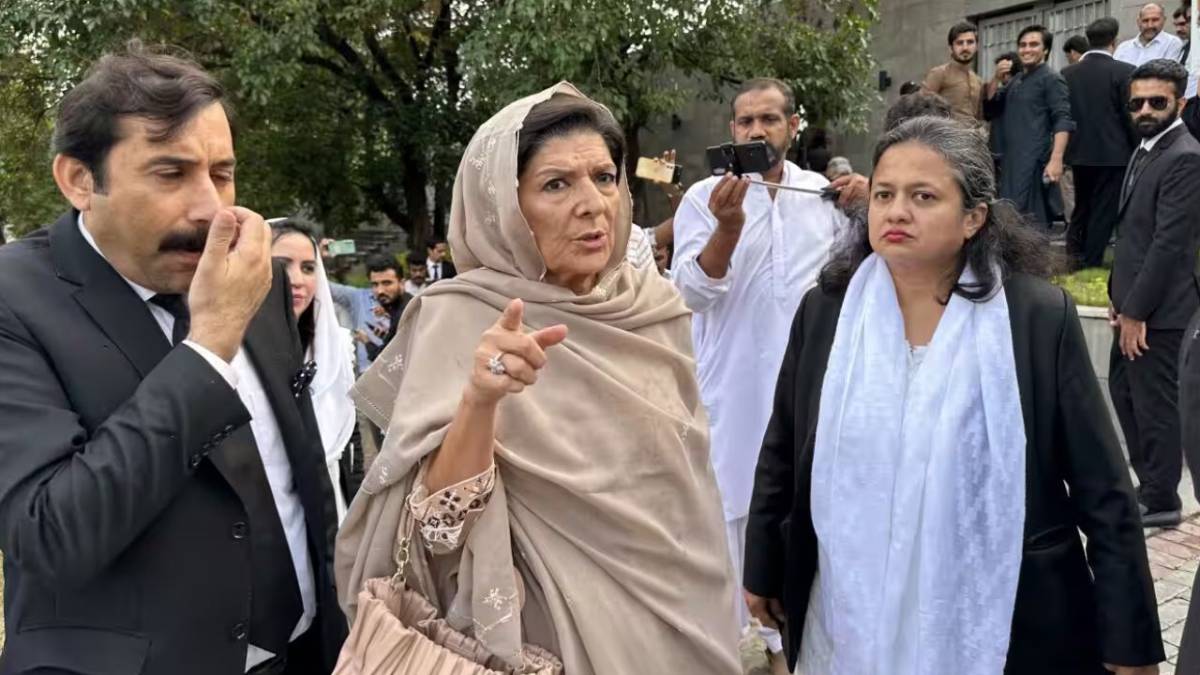
An Anti-Terrorism Court (ATC) in Rawalpindi has issued a 14th non-bailable arrest warrant for Aleema Khan in connection with the November 26 protest case registered at Sadiqabad police station. The court took this step during a hearing on Monday, intensifying legal pressure as the proceedings continue under anti-terrorism laws. The repeated warrants signal the court’s growing concern over her continued absence from trial hearings and compliance with court directives.
ATC Judge Amjad Ali Shah presided over the hearing and, moreover, issued non-bailable arrest warrants for both guarantors of Aleema Khan. The judge directed authorities to arrest and produce her along with the guarantors before the court on Tuesday, February 24. This move indicates the court’s determination to ensure her presence and prevent further delays in the case proceedings.
Read more : Aleema says Imran spoke to his sons for approx 20 minutes
During the hearing, the prosecution argued that Aleema Khan was deliberately obstructing trial proceedings by failing to appear before the court. Consequently, the prosecutor requested the court to revoke her right of cross-examination and appoint a state counsel to avoid further disruption. The prosecution stressed that uninterrupted proceedings were necessary to uphold the integrity of the judicial process.
Read more : Non-bailable warrants for Aleema Khan in Nov 26 case –
Meanwhile, the court expressed strong displeasure over the absence of both Aleema Khan and her defense counsel at the hearing. In addition, the judge summoned the two final investigating officers in the case to appear as witnesses at the next hearing. This step suggests the court intends to move forward with recording evidence and testimonies without unnecessary postponements.
The case relates to protests held on November 26, which led to legal proceedings under anti-terrorism provisions. As hearings continue, the repeated issuance of warrants highlights the seriousness of the charges and the court’s resolve to enforce compliance. With the next hearing scheduled for February 24, the case remains a closely watched development in Rawalpindi’s legal landscape.