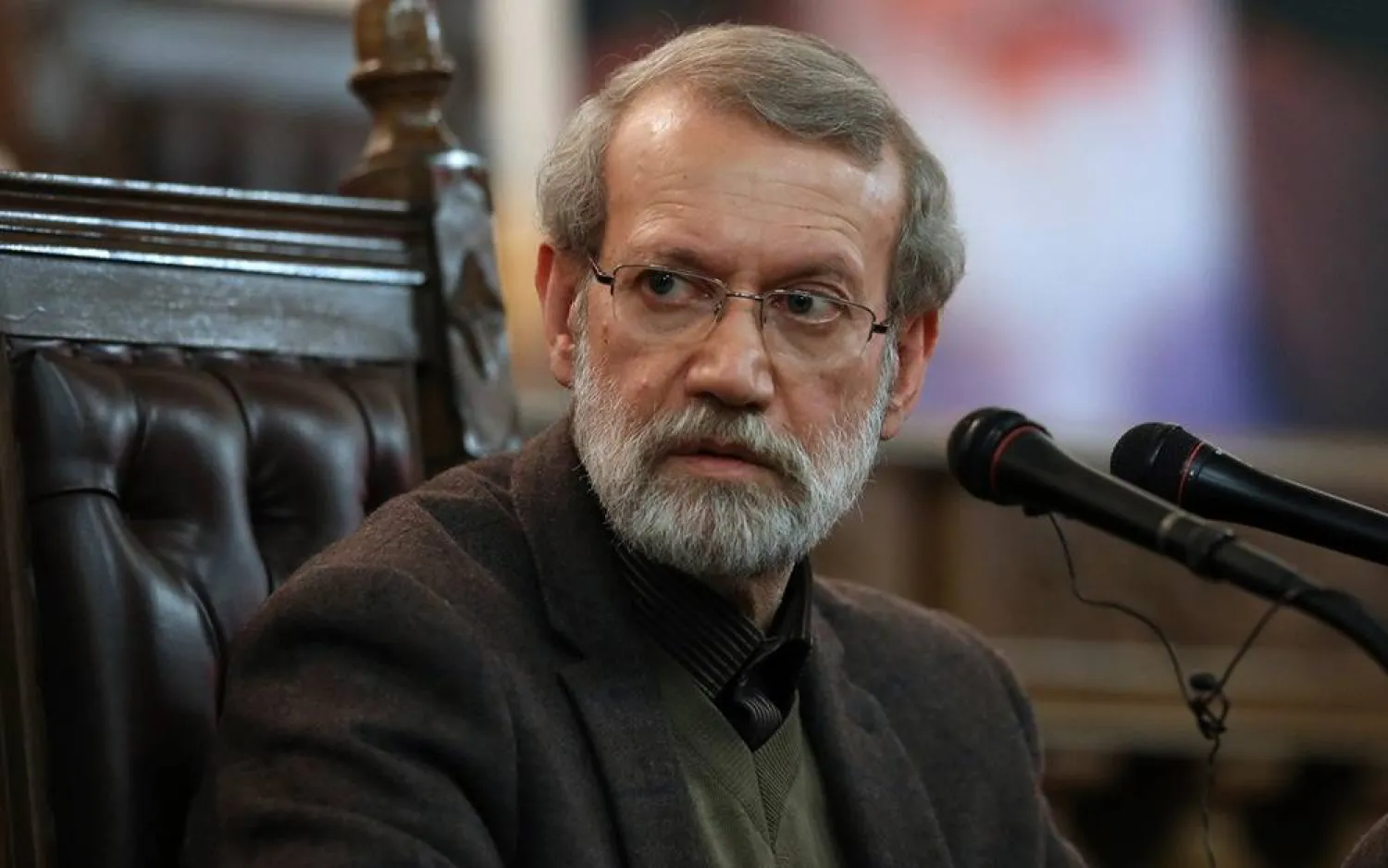
Israel has claimed that senior Iranian official Ali Larijani was killed in a recent attack, a statement that quickly sparked confusion and strong reactions across the region. However, authorities in Iran signaled that the claim was inaccurate and said a video message from Larijani would soon be released to prove he was alive.
The announcement originally came from Israeli Defence Minister Israel Katz, who said the strike had eliminated Larijani, one of Iran’s most influential political strategists. Meanwhile, Iranian state-linked media pushed back against the claim and circulated a handwritten message attributed to Larijani, suggesting he was still active and addressing national matters.
Read more : Israel plotting ‘9/11-style’ terror attack in US to frame Tehran: Larijani
In the note, Larijani honored Iranian sailors who were killed in a recent United States attack and whose funerals were expected to take place on Tuesday. The message was widely shared online, adding further doubt to Israel’s statement and intensifying debate about the accuracy of wartime claims.
Israel also said it had killed Gholamreza Soleimani, commander of the Basij force of the Islamic Revolutionary Guard Corps, during another overnight strike. The competing narratives emerged amid escalating tensions involving Iran, Israel, and the United States, raising concerns about the possibility of broader regional conflict.
Read more : Trump says Iran ‘nearly defeated’, warns of fresh military strikes
Larijani has long been viewed as a pragmatic and cautious figure within Iran’s political system and played a central role in shaping key national strategies. Born in 1958 in Najaf, Iraq, he married the daughter of a close associate of Ruhollah Khomeini and belongs to a powerful political family sometimes called the “Kennedys of Iran.”
Educated in mathematics and computer science, Larijani later completed a doctorate in Western philosophy focused on the work of Immanuel Kant. Over the years he served in the Islamic Revolutionary Guard Corps, led the state broadcaster, negotiated nuclear issues, and eventually returned in 2025 as secretary of Iran’s Supreme National Security Council.